









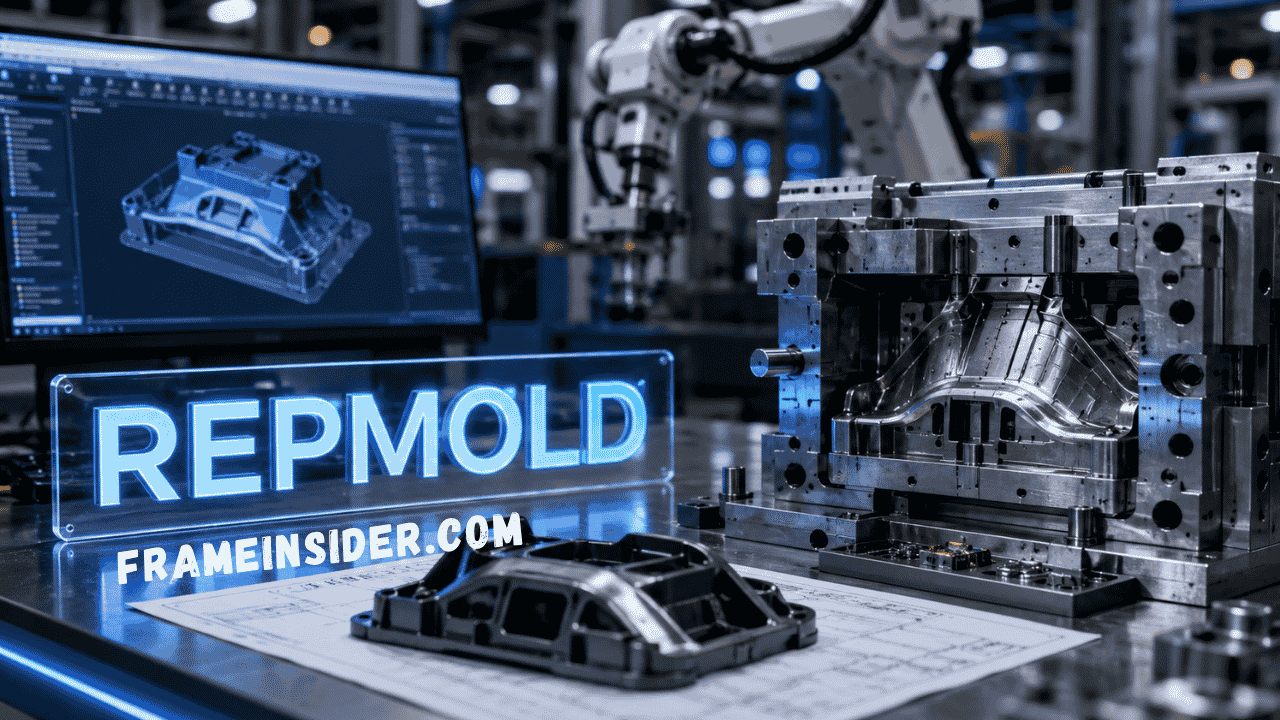
Manufacturing methods have changed rapidly over the last decade, and companies are constantly looking for ways to improve speed, quality, and efficiency. One approach gaining attention is repmold, a manufacturing process that combines advanced design tools with precision mold replication. It helps businesses create products faster while reducing waste and production costs. From automotive components to medical devices, this method is being used across multiple industries. As technology continues to advance, repmold is becoming an important part of modern manufacturing systems.
What Is Repmold and Why Is It Important?
Repmold is a modern mold manufacturing process that focuses on creating accurate and repeatable molds with improved efficiency. The term combines the ideas of replication and molding, highlighting its ability to produce consistent results. Traditional mold production often requires long development cycles, but newer technologies have shortened this process significantly. Manufacturers use digital design tools and automated systems to achieve better precision. As a result, repmold has become valuable for businesses seeking faster production without sacrificing quality.
The growing popularity of this technology is linked to the increasing demand for customized products and shorter production timelines. Companies want manufacturing solutions that can adapt quickly to changing customer requirements. Repmold offers flexibility while maintaining consistent standards across large production runs. This balance makes it suitable for industries where accuracy and reliability are essential. Many experts consider it an important part of the shift toward smarter manufacturing practices.
How Repmold Works in Manufacturing
Modern manufacturing starts with digital planning and precise product design. Engineers first create detailed models using computer-aided design software to ensure every dimension is accurate. Simulations are then used to identify potential flaws before production begins. This approach helps reduce mistakes and saves both time and resources. Repmold benefits from these digital processes because they improve the quality of the final mold.
Design and Prototyping Process
After the design stage, manufacturers create prototypes to test the product before large-scale production. Rapid prototyping methods, including 3D printing, allow engineers to evaluate designs quickly. Adjustments can be made without rebuilding the entire system, which reduces development costs. Once the prototype meets quality requirements, the final mold is prepared for production. This stage helps ensure reliable performance throughout the manufacturing cycle.
Mold Replication and Production
The completed mold is used to produce identical parts with a high level of precision. Automated systems monitor production to maintain quality standards and reduce defects. Advanced equipment improves consistency and minimizes waste during manufacturing. Repmold enables businesses to produce components faster than many traditional methods. This efficiency helps manufacturers respond quickly to market demands.
Key Features That Make Repmold Different
Several characteristics make this manufacturing method attractive to companies across different industries. These features help improve efficiency and support cost-effective production. Businesses can maintain quality while reducing delays and material waste. The process also supports customization without requiring extensive modifications.
Important features include:
- High precision and accuracy
- Faster development cycles
- Reduced production costs
- Improved consistency in products
- Lower material waste
- Better flexibility for custom designs
- Integration with automated systems
These advantages have contributed to the increasing use of repmold in modern production facilities. Manufacturers are constantly searching for solutions that improve performance and reduce unnecessary expenses. This technology addresses both requirements effectively. It also supports future innovations in digital manufacturing. That makes it a practical option for many industries.
Benefits of Repmold for Manufacturers
Companies choose repmold because it provides both economic and operational advantages. Faster production means businesses can bring products to market sooner and respond to customer needs more effectively. Improved precision reduces the chances of defective products reaching consumers. Lower material waste also contributes to cost savings and environmental responsibility. These benefits make the process attractive for both small and large manufacturers.
Another important advantage is the ability to support customized production. Businesses can modify designs without restarting the entire manufacturing process. This flexibility is especially useful for industries that require specialized components. Repmold helps maintain quality standards even when products vary in design. As a result, manufacturers can meet changing demands without major disruptions.
Repmold Compared With Traditional Mold Manufacturing
Traditional mold production often requires extensive manual work and longer development periods. Changes to product designs may increase costs and delay manufacturing schedules. In many cases, companies must invest significant resources before reaching final production. These challenges can limit flexibility and slow down innovation. Repmold addresses these issues by using digital tools and automation.
Main Differences Between the Two Methods
Several differences separate modern and traditional approaches. Advanced manufacturing techniques improve efficiency while maintaining quality standards. Businesses benefit from shorter lead times and reduced operating costs. The ability to customize products also provides a competitive advantage.
Comparison highlights include:
- Faster setup times
- Lower production expenses
- Reduced material waste
- Better product accuracy
- Improved flexibility
- Quicker prototyping process
These improvements explain why many companies are moving toward repmold instead of relying entirely on conventional methods. Faster production and better quality contribute to higher customer satisfaction. Businesses also gain more control over design changes and manufacturing schedules. This makes the technology suitable for competitive industries.
Industries That Use Repmold Technology
Many sectors depend on precise manufacturing processes to maintain quality and safety standards. Repmold has found applications in industries that require consistent and reliable products. Manufacturers value its ability to produce complex components while minimizing defects. The combination of accuracy and speed supports both mass production and specialized manufacturing. This versatility has increased its popularity.
Industries using this process include:
- Automotive manufacturing
- Aerospace engineering
- Electronics production
- Medical equipment manufacturing
- Consumer goods industries
- Construction and industrial equipment
Each industry benefits from improved efficiency and better product quality. Medical manufacturers require precise components that meet strict regulations. Automotive companies rely on reliable production to maintain performance standards. Repmold provides solutions that support these demanding requirements.
The Role of Automation and Smart Technology
Automation has become a major factor in modern manufacturing. Machines equipped with sensors and advanced software can monitor production and detect problems before they become serious. This reduces downtime and improves overall efficiency. Digital systems also help maintain consistent quality throughout the process. Repmold works well with these technologies because it depends on precise and repeatable operations.
Artificial intelligence and predictive tools are also becoming more common in production environments. They help manufacturers optimize designs and identify ways to improve efficiency. These systems reduce human error and increase productivity. Smart manufacturing practices are transforming industries around the world. Repmold is closely connected to these developments and supports future technological growth.
Environmental Advantages of Repmold
Sustainability has become an important concern for manufacturers. Companies are under pressure to reduce waste and improve energy efficiency. Modern production methods can help achieve these goals by using resources more effectively. Better planning and accurate designs prevent unnecessary material consumption. Repmold supports environmentally responsible manufacturing practices.
The process also contributes to lower operating costs by minimizing waste and improving efficiency. Reduced energy consumption benefits both businesses and the environment. Manufacturers can produce high-quality products while maintaining sustainable operations. This balance is becoming increasingly important as industries focus on long-term growth. Repmold offers practical advantages for companies seeking greener production methods.
Future Trends and Developments
Manufacturing technology continues to evolve as digital systems become more advanced. Smart factories are expected to play a larger role in production over the coming years. Automation, digital twins, and predictive analysis are improving efficiency across industries. These developments are creating opportunities for faster and more flexible manufacturing systems. Repmold is expected to benefit from these advancements.
Future improvements may include better simulation tools and increased use of artificial intelligence. Manufacturers will likely focus on reducing production times while maintaining high standards of quality. Customization and sustainable production will remain priorities for businesses worldwide. As industries continue to modernize, repmold is likely to become even more important. Its combination of efficiency and precision positions it for long-term growth.
Conclusion
Repmold represents a modern approach to mold manufacturing that combines digital design, automation, and precision production. It offers faster development cycles, lower costs, improved quality, and reduced waste compared with traditional methods. Industries ranging from automotive to medical manufacturing are benefiting from its flexibility and reliability. The integration of smart technologies is further increasing its value in modern production systems. As manufacturing continues to evolve, repmold is expected to remain an important part of efficient and sustainable industrial processes.
FAQs
What is repmold used for?
Repmold is used to create accurate molds for manufacturing products in industries such as automotive, aerospace, electronics, and medical devices.
How is repmold different from traditional molding?
It uses digital design and automated processes to reduce production time, improve accuracy, and lower material waste.
Which industries benefit from repmold?
Automotive, aerospace, electronics, medical equipment, construction, and consumer goods industries commonly use this technology.
Does repmold help reduce manufacturing costs?
Yes, it improves efficiency, minimizes waste, and shortens production cycles, which helps reduce overall costs.
Is repmold considered environmentally friendly?
Yes, it supports sustainable manufacturing by reducing material waste and improving energy efficiency during production.