








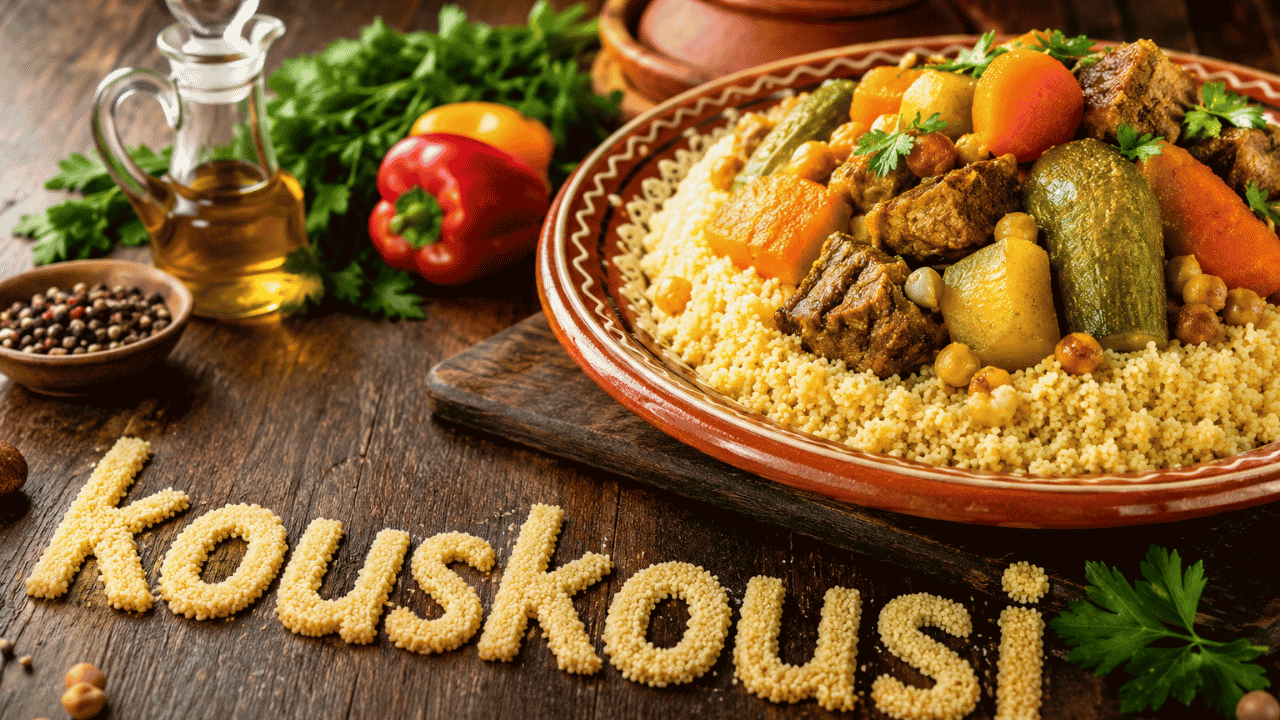
Kouskousi is one of the most recognized dishes connected to North African food culture. Known for its light texture and ability to absorb rich flavors, this traditional meal has remained popular for centuries across countries like Morocco, Algeria, Tunisia, and Libya. Many people confuse kouskousi with pasta or rice because of its appearance, but it has its own preparation method and cultural importance. In many households, it is more than just food because it represents family gatherings, celebrations, and shared traditions. Today, kouskousi has also become popular in international kitchens because it is simple to prepare and works well with many ingredients.
The growing interest in Mediterranean and North African cuisine has brought more attention to kouskousi around the world. Restaurants, food bloggers, and home cooks are experimenting with traditional and modern recipes using this ingredient. Its quick cooking time and flexible serving options make it attractive for busy households. Some people prefer it with vegetables and broth, while others serve it with meat, seafood, or spicy sauces. No matter how it is prepared, kouskousi continues to hold an important place in traditional cooking.
The Origin and Cultural Background of Kouskousi
The history of kouskousi goes back thousands of years to North Africa, where Berber communities prepared it using hand-rolled semolina grains. Historians believe the dish became popular because it was easy to store, simple to cook, and filling enough for large families. Over time, different regions developed their own cooking styles and serving traditions. In Morocco, it is commonly served on Fridays as part of family meals, while Algerian and Tunisian versions often include stronger spices and richer sauces. These regional differences helped kouskousi become a deeply rooted cultural dish rather than a single recipe.
Traditional preparation methods were once time-consuming because the grains had to be rolled by hand and steamed several times. Families often prepared large batches together, turning cooking into a social activity. Even today, older generations continue to use traditional steamers to maintain authentic flavors and texture. In rural areas, homemade kouskousi is still considered superior to packaged versions sold in stores. The dish remains connected to hospitality, celebrations, and community traditions across North Africa.
How Kouskousi Is Made
Kouskousi is traditionally made from durum wheat semolina mixed with water and rolled into tiny granules. These grains are then steamed repeatedly until they become light and fluffy. The steaming process is important because it gives the dish its soft texture without making it sticky. Modern packaged versions are usually pre-steamed, allowing people to prepare them in only a few minutes. This convenience has helped kouskousi become common in kitchens outside North Africa.
The preparation process can vary depending on local traditions and available ingredients. Some regions use barley instead of semolina, while others add herbs or spices during cooking. Traditional cooks often steam the grains over a pot containing vegetables and broth so the flavor rises into the kouskousi naturally. This method creates a richer taste compared to simple boiling or soaking. Many chefs still prefer steaming because it preserves texture and improves the overall flavor.
Common Ingredients Used With Kouskousi
Popular ingredients often served with kouskousi include:
- Chickpeas
- Lamb or chicken
- Carrots and zucchini
- Tomatoes and onions
- Harissa sauce
- Cinnamon and cumin
- Raisins and almonds
These ingredients create balanced flavors that combine sweetness, spice, and savory richness in one meal.
Different Types of Kouskousi
There are several varieties of kouskousi available today, and each one has a unique texture and cooking style. Moroccan couscous is the smallest and most common type found in supermarkets. It cooks quickly and works well in salads, side dishes, and traditional meals. Israeli couscous, also known as pearl couscous, has larger grains and a chewy texture that makes it suitable for roasted vegetable dishes and soups. Lebanese couscous is even larger and often used in heavier stews and slow-cooked meals.
The size of the grains changes the cooking method and final texture of the dish. Smaller grains absorb flavors faster, while larger grains provide a firmer bite and richer consistency. Some chefs prefer mixing vegetables and herbs directly into kouskousi, while others serve it separately with broth poured over the top. These variations allow cooks to adapt recipes according to local taste and family traditions. The flexibility of the dish is one reason it continues to remain popular worldwide.
Why Kouskousi Became Popular Worldwide
Kouskousi gained international attention because it is affordable, versatile, and easy to prepare. As Mediterranean cuisine became more popular, many people started exploring traditional North African foods. Restaurants introduced modern versions using seafood, grilled vegetables, and fresh herbs to appeal to wider audiences. Health-conscious consumers also became interested because kouskousi is lighter than many heavy pasta dishes. Its ability to pair with both vegetarian and meat-based recipes increased its popularity further.
Another reason for its success is convenience. Packaged kouskousi can be prepared in less than ten minutes, making it practical for busy families and working professionals. Unlike rice, it requires less cooking time and absorbs flavors quickly. Food bloggers and recipe creators also helped spread awareness by introducing creative serving ideas online. Today, kouskousi is no longer limited to North African households because it has become part of international home cooking.
Nutritional Value of Kouskousi
Kouskousi provides carbohydrates that supply energy for daily activities. It also contains moderate amounts of protein and small quantities of essential vitamins and minerals. Whole grain versions offer higher fiber content, which may help support digestion and improve fullness after meals. Since it is naturally low in fat, many people include it in balanced meal plans. However, portion size and added ingredients can change the overall nutritional value.
Compared to heavier grain dishes, kouskousi feels lighter while still being filling. Athletes and active individuals sometimes choose it because it delivers quick energy without requiring complicated preparation. When paired with vegetables and lean protein, it becomes a balanced and satisfying meal. Adding ingredients like chickpeas, grilled chicken, or roasted vegetables can improve both flavor and nutrition. This combination makes kouskousi suitable for different dietary preferences.
Nutritional Benefits of Kouskousi
Some important benefits include:
- Quick source of energy
- Low fat content
- Contains plant-based protein
- Easy to digest
- Pairs well with healthy vegetables
- Available in whole grain varieties
These qualities have made it popular among people looking for simple and balanced meals.
Traditional Ways to Serve Kouskousi
Traditional kouskousi meals are often served on large plates shared by family members. Vegetables, broth, and meat are placed on top of the grains, creating a complete meal in one dish. In Moroccan cooking, slow-cooked vegetables and lamb are commonly paired with mildly seasoned broth. Tunisian versions may include spicy sauces and seafood for stronger flavors. Algerian recipes often focus on rich tomato-based sauces with chickpeas and tender meat.
Serving styles can also vary depending on special occasions and cultural customs. During celebrations, families may prepare large amounts of kouskousi to feed guests and relatives. Some regions add sweet toppings like raisins and cinnamon for festive meals. Modern restaurants have also introduced fusion versions that combine Mediterranean and European flavors. Despite these modern changes, traditional recipes remain the most respected among local communities.
Modern Recipes and Creative Uses
Modern chefs use kouskousi in many creative ways beyond traditional stews and broths. It is commonly added to salads with olive oil, lemon juice, cucumbers, and herbs for light summer meals. Some people use it as a replacement for rice in stuffed vegetables and roasted dishes. Others combine it with seafood, grilled chicken, or spicy sauces for modern fusion recipes. Its neutral flavor makes it suitable for both savory and slightly sweet dishes.
The popularity of quick meal preparation has also increased interest in kouskousi bowls and meal prep recipes. Many home cooks prepare large portions in advance and store them for easy lunches during the week. Roasted vegetables, nuts, and herbs can be mixed in for extra flavor and texture. Restaurants often experiment with international spices to create modern versions that appeal to younger audiences. This flexibility keeps kouskousi relevant in both traditional and contemporary kitchens.
Tips for Cooking Kouskousi Properly
Cooking kouskousi correctly is important because overcooking can make it mushy and heavy. Using the right amount of liquid helps maintain a fluffy texture. Many cooks prefer using broth instead of plain water because it adds deeper flavor to the grains. Allowing the grains to rest after steaming also improves texture and keeps them separate. A fork is usually better than a spoon for fluffing cooked kouskousi.
Simple cooking tips can improve the final result significantly. Adding olive oil or butter helps prevent clumping and gives the grains a smoother texture. Fresh herbs added after cooking can enhance both flavor and appearance. Some chefs toast the grains lightly before steaming to create a richer taste. These small techniques make homemade kouskousi more flavorful and enjoyable.
Conclusion
Kouskousi remains one of the most important dishes in North African cuisine because of its history, simplicity, and flexibility. From traditional family meals to modern restaurant dishes, it continues to adapt while preserving its cultural roots. Its quick preparation and ability to pair with many ingredients have helped it become popular around the world. Whether served with vegetables, meat, seafood, or spices, kouskousi delivers comfort and rich flavor in every style of cooking. As global interest in Mediterranean food continues to grow, this traditional dish is likely to remain a favorite for generations to come.
FAQs
What is kouskousi made from?
Kouskousi is mainly made from durum wheat semolina mixed with water and rolled into small granules before steaming.
Is kouskousi the same as couscous?
Yes, kouskousi is considered a spelling variation or regional name connected to traditional couscous dishes.
Is kouskousi healthy to eat?
Kouskousi can be part of a healthy meal because it is low in fat and pairs well with vegetables and lean protein.
How long does kouskousi take to cook?
Modern packaged kouskousi usually takes around five to ten minutes to prepare.
What dishes can be served with kouskousi?
Kouskousi is commonly served with lamb, chicken, seafood, vegetables, chickpeas, and spicy North African sauces.