







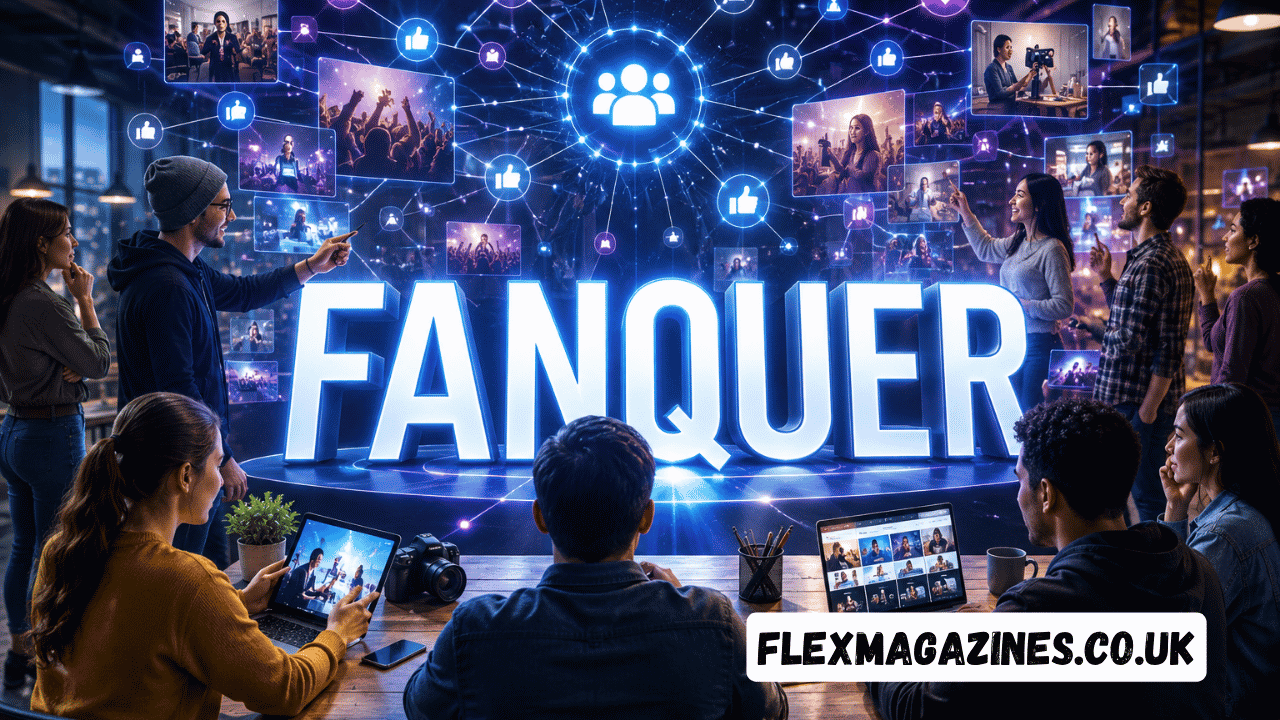
The digital world continues to introduce new terms that reflect changing online behaviors, and fanquer is one of the latest concepts attracting interest. Although it is still an emerging term, fanquer is increasingly associated with active fan participation, community involvement, and collaboration between creators and audiences. Unlike traditional online engagement, where people simply consume content, fanquer represents a more interactive relationship that encourages users to contribute ideas, feedback, and creative input. As online communities continue to grow, the concept of fanquer highlights a shift toward stronger connections between brands, creators, and their audiences.
People today want more than passive entertainment. They want opportunities to participate in discussions, influence decisions, and become part of something larger than themselves. This growing demand for involvement has helped increase interest in fanquer across different industries, including content creation, digital marketing, gaming, and social media. Understanding the meaning and significance of fanquer can provide valuable insight into the future of online communities and audience engagement.
Understanding the Meaning of Fanquer
Fanquer is commonly used to describe a digital environment where fans and community members play an active role in shaping experiences, content, or discussions. Instead of remaining observers, participants become contributors who help influence the direction of a community or project. This collaborative approach creates stronger engagement and deeper relationships among community members.
The concept of fanquer reflects modern internet culture, where interaction is often valued more than simple content consumption. People enjoy being heard, sharing opinions, and participating in activities that make them feel connected. As a result, fanquer has become associated with communities that prioritize involvement, creativity, and shared experiences. This shift has made the term increasingly relevant in discussions about digital engagement.
The Origins and Growth of Fanquer
The rise of fanquer can be linked to the evolution of online communities and social platforms. In the early days of the internet, users primarily consumed information through websites, blogs, and forums. While discussions existed, direct collaboration between creators and audiences was limited. Over time, social media platforms transformed the way people interacted online, making participation easier and more accessible.
As creators and brands recognized the value of community feedback, they began developing strategies that encouraged audience involvement. This environment created the foundation for fanquer, where users contribute ideas, vote on decisions, and engage in meaningful conversations. The growing popularity of creator-driven platforms has further strengthened the relevance of fanquer in modern digital culture.
Why Fanquer Is Different from Traditional Fandom
Traditional fandom often focuses on admiration and support for a creator, celebrity, brand, or entertainment property. Fans follow updates, consume content, and discuss their interests with others. While this type of engagement remains important, fanquer introduces a more active and collaborative dynamic.
In a fanquer environment, participants may influence future content, suggest improvements, or contribute their own creative work. This level of involvement creates a stronger sense of ownership within the community. Instead of simply supporting a project, users become valuable contributors who help shape its development and direction.
Key Differences Between Fanquer and Traditional Fandom
- Traditional fandom focuses primarily on content consumption.
- Fanquer encourages active participation and collaboration.
- Traditional fans react to content after it is released.
- Fanquer participants may influence content before publication.
- Traditional communities often follow creators.
- Fanquer communities interact directly with creators and brands.
These differences demonstrate why fanquer is attracting attention among marketers, content creators, and community managers seeking stronger audience relationships.
How Fanquer Strengthens Online Communities
Online communities thrive when members feel connected and valued. Fanquer supports this goal by creating opportunities for meaningful interaction. When people contribute ideas and participate in discussions, they develop stronger emotional connections with the community. This sense of belonging encourages long-term engagement and loyalty.
Communities built around fanquer principles often experience higher participation rates because members feel that their voices matter. Rather than receiving information passively, individuals become active contributors to the conversation. This collaborative atmosphere helps create a positive and inclusive environment where members support one another and share common interests.
The Role of Fanquer in the Creator Economy
The creator economy has experienced rapid growth in recent years, with millions of individuals building audiences through videos, blogs, podcasts, and social media content. Fanquer plays an important role in this ecosystem by helping creators establish stronger relationships with their followers. Instead of treating audiences as viewers alone, creators can involve them in decision-making and content development.
Many creators now use community polls, live discussions, and feedback sessions to gather audience input. These activities align closely with the principles of fanquer because they encourage participation and collaboration. When audiences feel involved in the creative process, they are more likely to remain engaged and support the creator’s work over time.
Common Fanquer Strategies Used by Creators
- Community voting on future content topics.
- Interactive live streams and question sessions.
- User-generated content campaigns.
- Exclusive community discussions.
- Feedback-driven content improvements.
- Collaborative projects with audience participation.
These strategies help creators build stronger communities while increasing audience satisfaction and loyalty.
Fanquer and Modern Digital Marketing
Digital marketing has shifted significantly from traditional advertising methods. Consumers are no longer satisfied with one-way communication from brands. They expect interaction, transparency, and opportunities to participate. Fanquer aligns perfectly with these expectations by encouraging brands to involve customers in conversations and decision-making processes.
Brands that embrace fanquer often focus on building communities rather than simply promoting products. They encourage customers to share experiences, provide feedback, and contribute ideas for future improvements. This approach creates stronger trust and fosters long-term relationships that can lead to increased customer retention and brand loyalty.
How Brands Benefit from Fanquer Communities
Fanquer offers several advantages for businesses looking to strengthen customer relationships. By encouraging participation, brands gain access to valuable insights that can improve products, services, and marketing strategies. Customers appreciate being included in discussions and often develop stronger emotional connections with companies that value their opinions.
In addition to customer loyalty, fanquer communities can help brands generate authentic engagement. Community members often share experiences, recommend products, and participate in discussions without direct promotional efforts. This organic interaction can enhance credibility and contribute to sustainable business growth.
Benefits of Fanquer for Businesses
- Increased customer engagement.
- Stronger brand loyalty.
- Better customer feedback.
- Higher community participation.
- Improved audience trust.
- Greater opportunities for organic promotion.
These benefits explain why more organizations are exploring community-driven approaches inspired by fanquer principles.
Why Fanquer Reflects Changing Internet Culture
Internet culture continues to evolve as technology creates new ways for people to communicate and collaborate. Users increasingly seek experiences that allow them to participate rather than simply observe. Fanquer reflects this broader cultural shift by emphasizing involvement, creativity, and shared experiences.
Modern consumers value authenticity and connection. They want to interact with creators, brands, and communities in meaningful ways. Fanquer supports these expectations by encouraging collaboration and fostering stronger relationships. As online interactions become more community-focused, the importance of fanquer is likely to continue growing.
The Future Potential of Fanquer
While fanquer remains an emerging concept, its underlying principles align with major trends shaping the digital landscape. Community-driven engagement, creator collaboration, and audience participation are becoming increasingly important across multiple industries. As technology continues to evolve, opportunities for interactive experiences are expected to expand even further.
Future applications of fanquer may include more advanced community platforms, collaborative content creation tools, and interactive digital experiences. Businesses, creators, and organizations that embrace participation-focused strategies may gain a competitive advantage by building stronger relationships with their audiences. This potential makes fanquer a topic worth monitoring as digital communities continue to develop.
Conclusion
Fanquer represents a growing shift toward active participation in online communities. Rather than focusing solely on content consumption, it encourages collaboration, engagement, and meaningful interaction between creators, brands, and audiences. The concept reflects changing expectations in digital culture, where people want to contribute ideas, influence decisions, and become part of the communities they support.
As the creator economy expands and businesses seek stronger customer relationships, fanquer offers a framework for building deeper connections and fostering long-term loyalty. Its emphasis on participation, creativity, and community involvement makes it a relevant concept in today’s digital environment. Whether used by creators, brands, or online communities, fanquer highlights the increasing importance of shared experiences and collaborative engagement in the modern internet landscape.
FAQs
1. What is fanquer?
Fanquer is an emerging concept that focuses on active fan participation, community engagement, and collaboration between creators, brands, and audiences within digital environments.
2. How is fanquer different from traditional fandom?
Traditional fandom mainly involves consuming and supporting content, while fanquer encourages direct participation, feedback, collaboration, and influence over content or community decisions.
3. Why is fanquer becoming popular?
Fanquer is gaining attention because modern internet users prefer interactive experiences where they can contribute ideas, participate in discussions, and feel connected to communities.
4. How can creators use fanquer?
Creators can apply fanquer principles through community polls, live interactions, user-generated content campaigns, audience feedback sessions, and collaborative projects.
5. Can businesses benefit from fanquer?
Yes, businesses can use fanquer to increase customer engagement, improve loyalty, gather valuable feedback, strengthen trust, and build active online communities.