









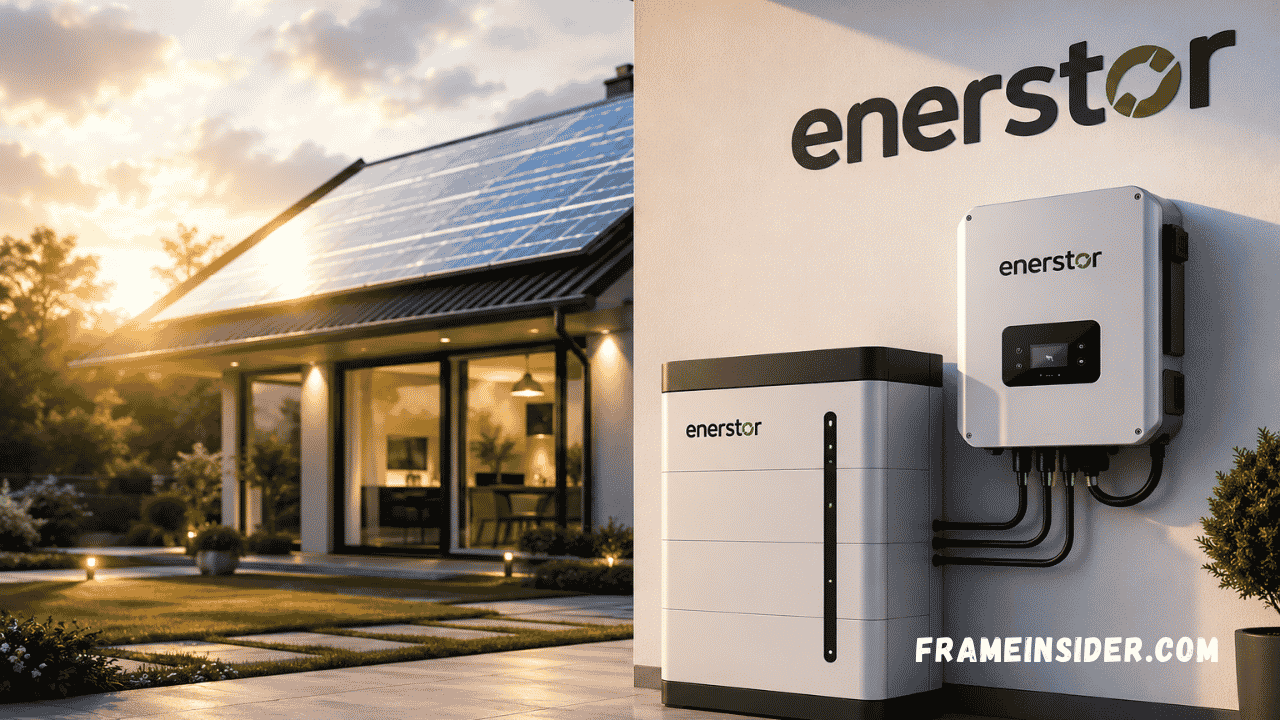
The way people produce, store, and use electricity is changing rapidly. Rising energy costs, increasing demand for renewable power, and concerns about power reliability have encouraged homeowners and businesses to look for smarter energy solutions. One concept that has gained attention in recent years is enerstor, a term often associated with modern energy storage systems, battery technology, and intelligent energy management. As renewable energy adoption continues to grow, energy storage has become an essential part of creating a stable and efficient power system.
Unlike traditional electricity systems that rely entirely on the power grid, enerstor solutions focus on storing energy for later use. This approach allows users to maximize renewable energy production, reduce waste, and maintain access to electricity during outages. With advances in battery technology and smart monitoring systems, energy storage has become more practical and cost-effective than ever before. Understanding how these systems work can help individuals and organizations make informed energy decisions.
Understanding the Role of Enerstor in Modern Energy Systems
Energy storage is becoming one of the most important components of the renewable energy industry. The primary purpose of enerstor systems is to capture electricity when it is available and store it for future use. This stored energy can then be used during periods of high demand, power interruptions, or when renewable energy sources are not actively generating electricity.
Modern energy networks face challenges because renewable sources such as solar and wind power do not generate electricity continuously. Solar panels only produce electricity during daylight hours, while wind turbines depend on weather conditions. Enerstor solutions help bridge this gap by storing excess electricity and making it available when needed. This improves reliability and ensures a more consistent energy supply.
Why Energy Storage Matters More Than Ever
The growing demand for clean energy has highlighted the importance of reliable storage technologies. Without effective storage systems, excess renewable energy may go unused when production exceeds demand. Energy storage addresses this issue by preserving surplus electricity for future consumption.
Several factors have contributed to the rising importance of energy storage:
- Increased adoption of solar energy systems
- Growing electricity consumption worldwide
- Higher energy prices in many regions
- Greater focus on sustainability and carbon reduction
- Demand for backup power during outages
As these trends continue, enerstor technologies are expected to play a larger role in both residential and commercial energy strategies. Their ability to improve efficiency and reduce energy waste makes them valuable in a wide range of applications.
How Enerstor Systems Work
At its core, an enerstor system stores electrical energy and releases it when required. Electricity generated from renewable sources or the utility grid is directed into storage units, typically batteries. The stored energy remains available until users need it, helping to balance supply and demand.
A typical energy storage setup includes batteries, inverters, monitoring software, and control systems. These components work together to manage energy flow and optimize performance. Smart software can track energy production, predict usage patterns, and automatically decide when to store or release electricity. This level of automation helps maximize efficiency while minimizing operating costs.
Key Components of an Energy Storage System
Several elements work together to create an effective energy storage solution:
- Battery storage units
- Energy management software
- Power conversion equipment
- Monitoring and control systems
- Safety and protection mechanisms
Each component contributes to the overall reliability and effectiveness of the system. Advances in technology have improved performance while reducing maintenance requirements, making modern storage systems more accessible to users.
The Connection Between Enerstor and Solar Energy
Solar energy and energy storage are often used together because they complement each other effectively. During sunny periods, solar panels may generate more electricity than a household or business requires. Instead of sending all excess power back to the grid, an enerstor system can store the surplus energy for later use.
This stored electricity becomes valuable during the evening when solar panels are no longer producing power. Users can rely on stored energy rather than purchasing additional electricity from the grid. This approach improves energy independence while helping reduce monthly utility expenses. As solar adoption increases worldwide, the integration of storage systems is becoming increasingly common.
Benefits of Combining Solar Panels with Storage
When solar power and storage systems work together, users can experience several advantages:
- Better use of renewable energy
- Reduced dependence on the utility grid
- Lower electricity costs
- Increased protection during outages
- Improved energy efficiency
These benefits explain why many homeowners and businesses view storage as a natural extension of their solar investments.
Smart Energy Management and the Future of Efficiency
Modern energy systems are no longer limited to simple power generation and consumption. Smart technology now allows users to monitor and manage energy usage in real time. Enerstor solutions often include advanced software platforms that provide detailed insights into energy production, storage levels, and consumption patterns.
These systems can automatically adjust operations based on electricity prices, weather forecasts, and household demand. For example, energy may be stored when electricity costs are low and used when prices rise. This intelligent approach helps users reduce expenses while making better use of available resources. Smart energy management is expected to become a standard feature in future energy infrastructure.
Residential Applications of Enerstor Technology
Homeowners are increasingly interested in energy storage because it provides both financial and practical benefits. Residential enerstor systems allow families to store electricity generated by solar panels and use it when needed. This reduces dependence on external power sources and improves energy reliability.
Power outages can be disruptive, especially in areas prone to severe weather or grid instability. Energy storage systems provide backup power that can keep essential appliances operating during emergencies. Homeowners also appreciate the ability to monitor energy usage and identify opportunities for greater efficiency. These features make energy storage an attractive investment for many households.
Common Uses in Homes
Residential energy storage systems are commonly used for:
- Backup power during outages
- Solar energy storage
- Reducing peak electricity costs
- Increasing energy independence
- Managing household energy consumption
As battery technology continues to improve, these applications are expected to become even more widespread.
Commercial Benefits of Enerstor Solutions
Businesses face unique energy challenges due to larger electricity demands and higher operating costs. An enerstor system can help organizations manage these challenges by providing greater control over energy consumption. Companies can store electricity during low-cost periods and use it when rates increase.
Energy storage also supports business continuity by providing backup power during unexpected outages. For industries that rely on uninterrupted operations, this capability can prevent costly disruptions. Additionally, companies that adopt renewable energy and storage technologies may improve their sustainability efforts and reduce environmental impact.
Sustainability and Environmental Advantages
Reducing carbon emissions has become a major priority for governments, businesses, and consumers. Energy storage plays a significant role in supporting environmental goals by improving the effectiveness of renewable energy systems. Without storage, some renewable electricity may be wasted when production exceeds demand.
Enerstor solutions help ensure that clean energy is used more efficiently. By storing excess renewable electricity and reducing reliance on fossil fuel-based power generation, these systems contribute to lower emissions. Over time, wider adoption of energy storage can support a cleaner and more sustainable energy future.
Environmental Contributions of Energy Storage
Energy storage systems support sustainability by:
- Increasing renewable energy utilization
- Reducing energy waste
- Supporting grid stability
- Lowering greenhouse gas emissions
- Encouraging cleaner electricity generation
These advantages highlight why energy storage is considered an important part of future energy planning.
Emerging Trends Shaping the Future of Enerstor
The energy storage sector continues to evolve as new technologies enter the market. Battery costs have declined significantly over the past decade, making storage systems more affordable. Research and development efforts are also improving battery lifespan, safety, and performance.
Artificial intelligence and advanced analytics are expected to play a larger role in energy management. Future enerstor systems may become even more autonomous, optimizing energy use with minimal human intervention. As renewable energy capacity expands worldwide, demand for efficient storage solutions is likely to increase substantially. This growth positions energy storage as one of the most influential technologies in the modern energy landscape.
Conclusion
Enerstor represents a growing movement toward smarter and more efficient energy management. By storing electricity for future use, these systems help address challenges related to renewable energy integration, grid reliability, and rising energy costs. Whether used in homes or businesses, energy storage solutions provide practical benefits that improve energy efficiency and support sustainability goals.
As technology continues to advance, enerstor systems are expected to become more capable, affordable, and widely adopted. Their role in supporting renewable energy, reducing environmental impact, and increasing energy independence makes them an important part of the future energy ecosystem. For anyone interested in modern energy solutions, understanding energy storage is becoming increasingly important in a world that depends on reliable and sustainable electricity.
Frequently Asked Questions
1. What is enerstor?
Enerstor refers to modern energy storage solutions that store electricity for later use, helping improve efficiency, reliability, and renewable energy utilization.
2. How does enerstor work with solar panels?
Enerstor systems store excess electricity produced by solar panels during the day and make it available when solar generation is unavailable, such as at night.
3. What are the benefits of enerstor for homeowners?
Homeowners can reduce electricity costs, gain backup power during outages, increase energy independence, and improve the use of renewable energy.
4. Can businesses benefit from enerstor technology?
Yes, businesses can reduce energy expenses, improve operational reliability, manage peak demand, and support sustainability initiatives through energy storage systems.
5. Why is enerstor important for the future of renewable energy?
Enerstor helps solve the challenge of intermittent renewable energy generation by storing excess electricity and delivering it when demand increases, supporting a more stable and sustainable energy system.