









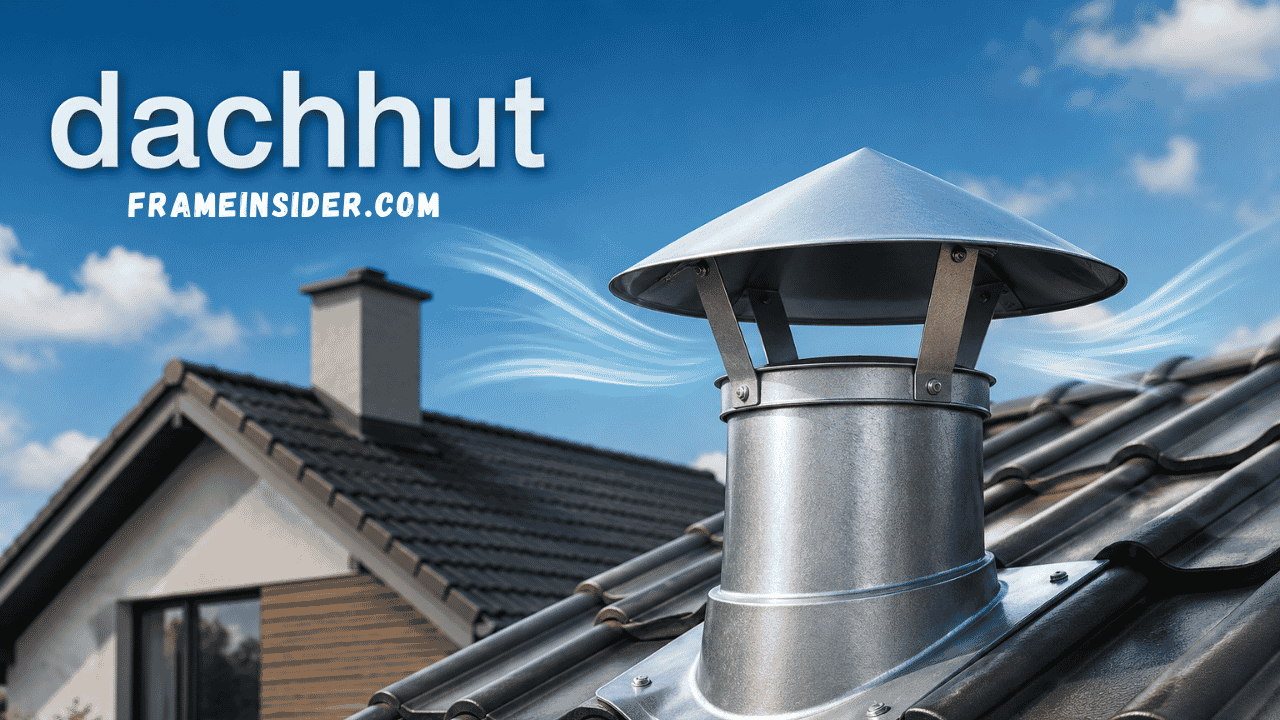
Roof ventilation plays a major role in protecting buildings from moisture, heat buildup, and weather-related damage. One component that often goes unnoticed is the dachhut. Commonly used in Germany and other European countries, this roof element helps maintain airflow while protecting ventilation openings from rain, snow, and debris. Whether it is installed on a residential property or an industrial building, a well-designed dachhut contributes to the efficiency and durability of the ventilation system. Understanding how it works can help homeowners and builders make better decisions when planning or upgrading roofing systems.
Understanding the Meaning and Purpose of Dachhut
The word dachhut comes from German and refers to a roof cap or roof hood designed to cover ventilation outlets. Its main purpose is to allow air to pass through while preventing water and dirt from entering the system. These components are found on roofs where pipes, chimneys, or exhaust ducts require protection from changing weather conditions. A properly installed dachhut supports healthy airflow and reduces the risk of moisture-related issues inside a building.
In modern construction, ventilation systems rely on several protective elements to maintain their performance. The dachhut is one of those important components because it acts as a shield against external factors. It helps preserve the efficiency of drainage and exhaust systems while extending the life of roof structures. Because of its practical function, it is used in homes, commercial buildings, and industrial facilities.
Why Roof Ventilation Needs a Dachhut
Ventilation systems are exposed to wind, rain, and temperature changes throughout the year. Without proper protection, water and debris may enter pipes and ducts, causing damage or reducing airflow. A dachhut provides an effective barrier while allowing fresh air to circulate naturally. This balance between protection and ventilation is one of the reasons why it is widely used in roofing projects.
Proper airflow helps prevent condensation and moisture accumulation. Excess moisture can lead to mold growth and structural problems over time. Installing a suitable dachhut improves air movement and keeps ventilation systems functioning efficiently. It also reduces maintenance requirements and protects expensive equipment connected to roof exhaust systems.
Main Benefits of Using a Dachhut
A roof ventilation cap provides several practical advantages. These benefits make it valuable for both residential and commercial applications.
- Protects ventilation openings from rain and snow.
- Prevents dirt, leaves, and insects from entering pipes.
- Supports healthy airflow inside the building.
- Reduces moisture buildup and condensation.
- Improves the lifespan of ventilation systems.
- Helps maintain energy efficiency.
Common Materials Used in Dachhut Designs
Manufacturers produce roof caps using different materials depending on their intended use. Each material offers unique advantages related to durability, weather resistance, and maintenance. Choosing the right material depends on environmental conditions and the type of building.
Galvanized steel is one of the most popular options because it provides strong protection against corrosion. Stainless steel models are often preferred in industrial settings where exposure to moisture and chemicals is common. Aluminum versions are lightweight and easy to install, making them suitable for many residential projects. High-quality materials ensure that a dachhut can perform effectively for many years.
Popular Material Choices
- Galvanized steel
- Stainless steel
- Aluminum
- Weather-resistant coated metals
- Industrial-grade alloys
Different Types of Dachhut Systems
Roof ventilation systems come in several designs to meet different requirements. Each style offers specific features that suit particular environments and applications. Understanding these types can help property owners select the right option.
Round Dachhut Models
Round designs are commonly used in residential ventilation systems. Their shape promotes smooth airflow and helps prevent water accumulation around the opening. They are available in different sizes to match ventilation pipes and ducts. These models are simple, effective, and widely used.
Deflector Dachhut Designs
Deflector models are designed to improve airflow by directing wind away from the vent opening. This design reduces the chances of backflow and improves the efficiency of exhaust systems. They are often used in industrial buildings where airflow requirements are higher. Their shape also helps keep rainwater away from the ventilation outlet.
Stainless Steel Industrial Units
Industrial facilities often require stronger and more durable components. Stainless steel units are resistant to corrosion and capable of handling harsh environmental conditions. These systems are commonly used in factories, warehouses, and manufacturing plants. A durable dachhut made from stainless steel can provide long-term performance with minimal maintenance.
How a Dachhut Improves Air Circulation
Healthy air circulation is essential for maintaining comfortable indoor conditions. Ventilation systems remove excess moisture, odors, and stale air from enclosed spaces. A properly designed dachhut allows air to flow freely while preventing outside contaminants from entering the system. This creates a balanced environment inside the building.
Better airflow also contributes to energy efficiency. Ventilation systems work more effectively when air passages remain clear and protected. Reduced moisture levels help preserve insulation materials and minimize the risk of mold growth. As a result, buildings become more comfortable and easier to maintain over time.
Residential Applications of Dachhut Systems
Many modern homes rely on roof ventilation systems to maintain indoor air quality. Roof caps are installed above bathrooms, kitchens, and plumbing ventilation pipes to ensure proper airflow. Homeowners benefit from reduced humidity and fewer moisture-related problems. These systems also contribute to better energy performance.
Residential models are available in different sizes and finishes to match various roof styles. Builders often select designs that complement the appearance of the house while maintaining functionality. A quality dachhut provides reliable performance without affecting the visual appeal of the roof. This combination of function and appearance makes it a practical choice for homeowners.
Industrial Uses and Importance
Factories and commercial facilities generate heat, fumes, and moisture during daily operations. Ventilation systems are necessary to maintain safe and efficient working conditions. Roof exhaust components help remove unwanted air while protecting equipment from external weather conditions. A strong dachhut plays a vital role in these systems.
Industrial ventilation often requires larger and more specialized designs. Stainless steel and heavy-duty materials are commonly used because they can withstand demanding conditions. These systems support airflow while protecting machinery and ductwork. Proper ventilation also contributes to workplace safety and regulatory compliance.
Installation Process and Key Considerations
Installing a roof ventilation cap requires careful planning and proper materials. The selected model should match the size and purpose of the ventilation system. Correct placement is important to ensure effective airflow and weather protection. Professional installation is recommended for achieving the best results.
During installation, several factors should be considered:
- Roof angle and structure
- Local climate conditions
- Ventilation pipe diameter
- Material quality
- Accessibility for maintenance
Proper sealing around the unit helps prevent leaks and ensures long-term performance. A correctly installed dachhut provides reliable protection and reduces future repair costs.
Maintenance Tips for Long-Term Performance
Regular maintenance helps keep roof ventilation systems operating efficiently. Dirt, leaves, and debris can accumulate around ventilation openings over time. Periodic inspections allow homeowners to identify problems before they become serious. Cleaning and checking seals can prevent leaks and improve airflow.
Metal components should also be inspected for signs of corrosion or wear. Replacing damaged parts early helps maintain system performance and avoids costly repairs. Seasonal inspections are particularly useful in areas with heavy rain or snowfall. Maintaining a dachhut properly extends its lifespan and supports efficient ventilation.
Problems Caused by Missing or Damaged Roof Caps
A damaged or missing roof cap can create several problems. Water may enter ventilation pipes, leading to leaks and moisture damage inside the building. Reduced airflow can increase humidity levels and encourage mold growth. Debris entering the system may block ventilation pathways and decrease efficiency.
Strong winds can also force outside air into exposed ducts, creating pressure imbalances. These issues often result in higher maintenance costs and reduced system performance. Replacing a faulty dachhut promptly helps prevent these complications and protects the building from long-term damage.
Conclusion
Roof ventilation systems depend on protective components to maintain airflow and resist harsh weather conditions. The dachhut serves as an important barrier that keeps water, debris, and contaminants away from ventilation openings while supporting efficient air circulation. Available in different materials and designs, it is suitable for homes, commercial buildings, and industrial facilities. Proper installation and regular maintenance ensure reliable performance and long-term durability. Understanding the purpose and benefits of a dachhut can help property owners make informed decisions when improving roof ventilation systems.
FAQs
What is a dachhut used for?
A dachhut is used to protect roof ventilation openings from rain, snow, dirt, and debris while allowing proper airflow.
Which material is best for a dachhut?
Galvanized steel and stainless steel are popular choices because they offer durability and resistance to corrosion.
Can a dachhut improve ventilation efficiency?
Yes, it helps maintain airflow and prevents blockages that could reduce the performance of ventilation systems.
Where are dachhut systems commonly installed?
They are installed on residential homes, commercial buildings, factories, and industrial facilities that require roof ventilation.
How often should a dachhut be inspected?
It is recommended to inspect roof ventilation components at least once or twice a year to ensure proper performance and prevent damage.