








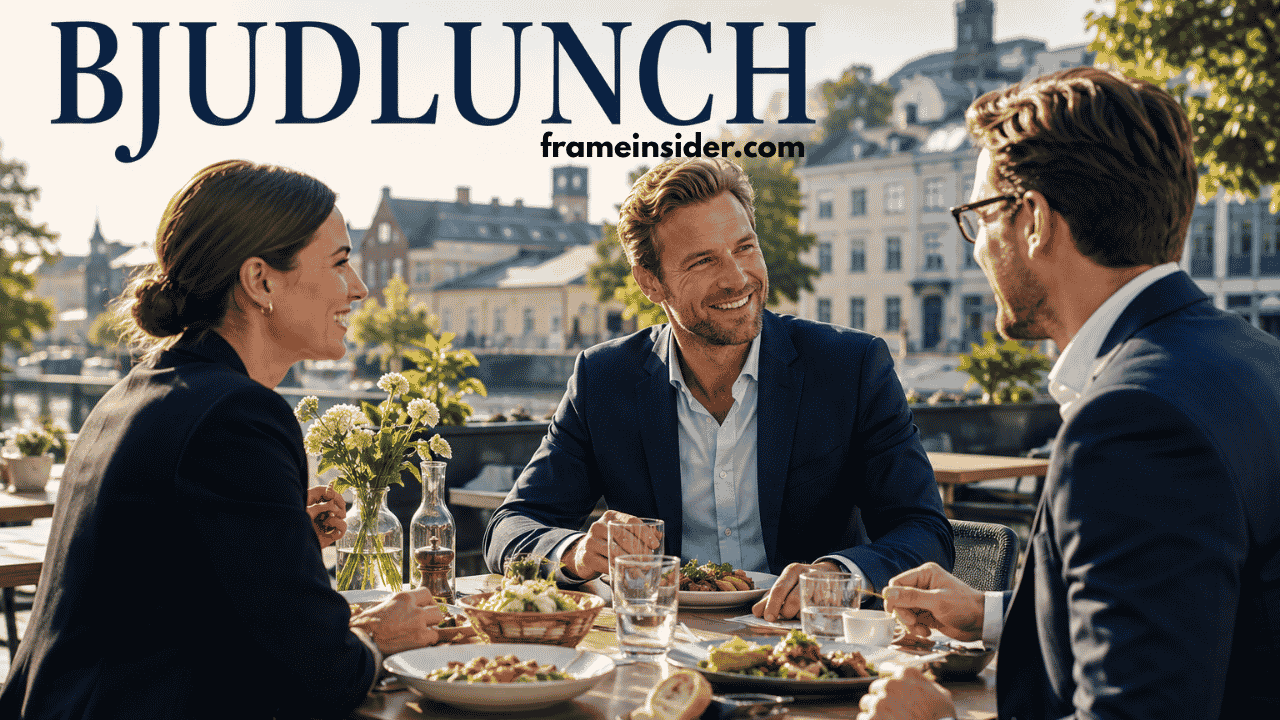
Sharing a meal has always been one of the easiest ways to build meaningful relationships. Across different cultures, people use food as a way to connect, celebrate, and strengthen social bonds. In Sweden, one concept that reflects this idea is bjudlunch. The term has gained attention because it represents more than simply eating lunch together. It highlights generosity, hospitality, and the value of spending quality time with others in a relaxed setting.
Understanding the Meaning of Bjudlunch
The word bjudlunch comes from the Swedish language and combines two concepts related to inviting and sharing a meal. In simple terms, bjudlunch refers to inviting someone to lunch and paying for the meal as a gesture of goodwill. While the act may seem straightforward, the meaning behind it carries deeper social and cultural significance. It is often viewed as a way to show appreciation, build trust, and create stronger personal or professional connections.
Unlike formal business meetings or structured social events, a bjudlunch is usually relaxed and conversational. The focus is not solely on the food but also on the interaction between the people involved. This approach allows individuals to communicate openly and strengthen their relationships. As a result, bjudlunch has become an important part of social and workplace culture in Sweden.
The Origin of Bjudlunch in Swedish Culture
Swedish society places a strong emphasis on equality, respect, and genuine human interaction. These values have influenced many traditions, including the practice of bjudlunch. Inviting someone to lunch is often seen as a thoughtful gesture rather than an attempt to impress or gain favor. The experience is meant to encourage authentic conversation and mutual understanding.
Historically, shared meals have played an important role in Scandinavian communities. Gathering around a table has long been associated with cooperation and social harmony. Over time, bjudlunch evolved into a modern expression of these traditional values. Today, it continues to serve as a simple yet effective way to bring people together.
Why Bjudlunch Is More Than Just a Meal
At first glance, bjudlunch may appear to be a standard lunch invitation. However, its importance extends beyond the meal itself. The concept centers on creating opportunities for meaningful interactions in a comfortable environment. When people share lunch, they often feel more relaxed and willing to engage in honest conversations.
A successful bjudlunch creates a setting where participants can exchange ideas, discuss challenges, and strengthen relationships. The informal atmosphere removes much of the pressure associated with formal meetings. This makes it easier for people to connect on a personal level. In many cases, the relationships developed during a bjudlunch continue long after the meal has ended.
The Social Benefits of Bjudlunch
One reason bjudlunch remains popular is the positive impact it has on social relationships. Spending time together over lunch allows people to communicate in a natural and comfortable way. It creates opportunities for learning more about others and developing mutual respect. These interactions often lead to stronger friendships and better understanding between individuals.
Some of the key social benefits of bjudlunch include:
- Encouraging meaningful conversations
- Building trust between individuals
- Strengthening friendships and family relationships
- Creating opportunities for networking
- Promoting a sense of appreciation and hospitality
These benefits explain why bjudlunch continues to be valued in both personal and professional settings. The simple act of sharing a meal can have a lasting effect on relationships.
How Bjudlunch Supports Professional Networking
In the business world, relationships often play a significant role in long-term success. Many professionals use bjudlunch as a way to connect with colleagues, clients, and business partners. A lunch meeting provides a more relaxed setting than a conference room, making conversations feel more natural and productive. This environment often encourages openness and collaboration.
When professionals participate in a bjudlunch, they can discuss ideas without the pressure of a formal agenda. This often leads to stronger partnerships and improved communication. Many organizations recognize the value of informal interactions and encourage employees to build relationships through shared meals. As a result, bjudlunch has become a useful networking tool in modern workplaces.
Building Trust Through Shared Meals
Trust is one of the most important elements of any relationship. Whether in personal friendships or professional partnerships, trust takes time to develop. Bjudlunch provides an effective way to create an environment where trust can grow naturally. Sharing a meal helps people feel more comfortable and connected.
The relaxed nature of a bjudlunch allows participants to engage in genuine conversation. Instead of focusing solely on business or specific objectives, individuals can learn more about each other as people. This personal connection often forms the foundation for long-term trust and cooperation. Over time, these interactions can strengthen relationships significantly.
The Role of Hospitality in Bjudlunch
Hospitality is a central element of bjudlunch. Inviting someone to lunch and covering the cost demonstrates generosity and appreciation. The gesture is not intended to create a sense of obligation. Instead, it reflects a desire to share time and build a stronger connection with another person.
In Swedish culture, hospitality is often expressed through simple and thoughtful actions. A bjudlunch embodies this principle by focusing on kindness and mutual respect. The host aims to create a welcoming atmosphere where everyone feels comfortable and valued. This emphasis on hospitality contributes to the positive reputation of the tradition.
Common Situations Where Bjudlunch Is Used
Bjudlunch can be applied in many different situations. Its flexibility makes it suitable for personal gatherings as well as professional interactions. The concept adapts easily to different relationships and social settings. This versatility has contributed to its growing popularity.
Common occasions for bjudlunch include:
- Meeting a new client
- Thanking a colleague for support
- Catching up with friends
- Celebrating a personal achievement
- Strengthening business partnerships
- Welcoming a new employee
These examples demonstrate how bjudlunch can be used to create meaningful experiences across different areas of life.
Bjudlunch Etiquette and Expectations
Although bjudlunch is generally informal, there are certain expectations associated with the tradition. The person extending the invitation typically pays for the meal. This is considered part of the gesture and reflects the host’s intention to show appreciation or goodwill. Guests are not expected to feel obligated to return the favor immediately.
Respect and genuine interest are also important aspects of bjudlunch etiquette. The goal is to create an enjoyable experience rather than conduct a transaction. Participants should focus on building rapport and engaging in meaningful conversation. When approached with sincerity, a bjudlunch can leave a lasting positive impression.
Why Bjudlunch Remains Relevant Today
Modern technology has transformed the way people communicate. Emails, video calls, and messaging platforms have made it easier to stay connected across distances. Despite these advances, face-to-face interactions remain valuable. Bjudlunch offers a personal experience that digital communication cannot fully replace.
People continue to seek authentic human connections in both personal and professional environments. Sharing lunch creates an opportunity to slow down and focus on meaningful interaction. This is one reason why bjudlunch remains relevant in today’s fast-paced world. Its emphasis on relationships aligns with a growing desire for genuine communication.
How to Organize a Successful Bjudlunch
Planning a successful bjudlunch does not require elaborate arrangements. The most important factor is creating an environment where participants feel comfortable. Choosing a suitable location and allowing enough time for conversation can significantly improve the experience. A relaxed atmosphere encourages open dialogue and stronger connections.
To make a bjudlunch more effective, consider the following tips:
- Select a comfortable and welcoming venue
- Focus on conversation rather than formal agendas
- Show genuine interest in the other person
- Avoid unnecessary distractions
- Create a relaxed and friendly atmosphere
These simple practices can help ensure that a bjudlunch achieves its purpose of strengthening relationships and fostering trust.
Conclusion
Bjudlunch represents much more than an invitation to lunch. It is a cultural practice rooted in generosity, hospitality, and meaningful human connection. Whether used among friends, family members, colleagues, or business partners, bjudlunch creates opportunities for trust, understanding, and relationship building. Its informal nature encourages open communication and helps people connect in a genuine way.
As society becomes increasingly digital, traditions like bjudlunch continue to highlight the importance of personal interaction. The concept demonstrates how a simple shared meal can strengthen relationships and create lasting positive experiences. By bringing people together in a relaxed setting, bjudlunch remains a valuable and relevant tradition that reflects the enduring power of human connection.
Frequently Asked Questions
1. What does bjudlunch mean?
Bjudlunch is a Swedish term that refers to inviting someone to lunch and paying for the meal as a gesture of goodwill, appreciation, or relationship building.
2. Is bjudlunch only used in business settings?
No, bjudlunch is commonly used in both personal and professional situations. Friends, family members, colleagues, and business partners can all participate in a bjudlunch.
3. Why is bjudlunch important in Swedish culture?
Bjudlunch reflects Swedish values such as hospitality, trust, equality, and meaningful social interaction. It helps strengthen relationships through shared experiences.
4. Who pays during a bjudlunch?
Traditionally, the person who extends the invitation pays for the meal. This is considered part of the gesture and demonstrates generosity toward the guest.
5. How can a bjudlunch improve professional relationships?
A bjudlunch provides a relaxed environment where professionals can communicate openly, build trust, exchange ideas, and develop stronger long-term partnerships.