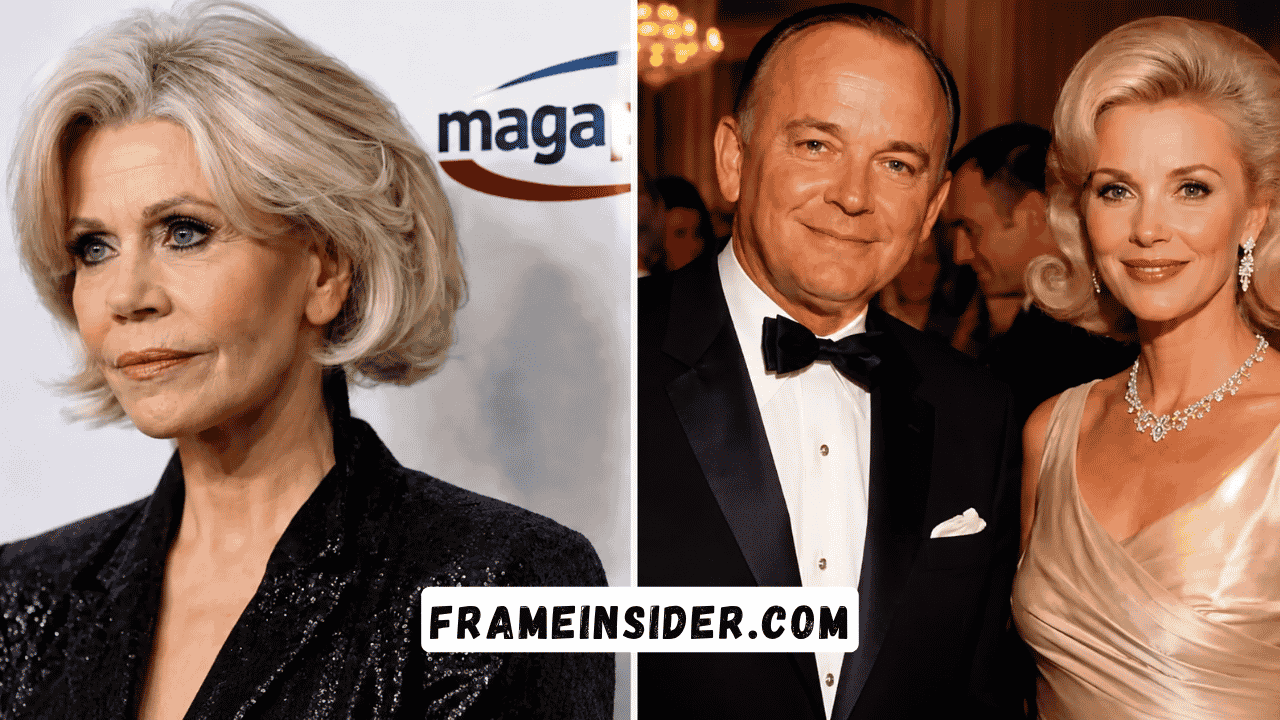










andré meyer remains one of the most influential investment bankers in financial history, yet his name is rarely discussed outside business circles. He played a major role in transforming corporate finance during the twentieth century and helped shape the modern world of mergers and acquisitions. While many financiers became public celebrities, andré meyer preferred influence behind closed doors. His intelligence, negotiation skills, and ability to rebuild struggling companies earned him enormous respect on Wall Street. Many banking experts still view his methods as the foundation of modern investment banking practices.
Early Life and Difficult Beginnings
andré meyer was born in Paris, France, in 1898 into a poor Jewish family. His early life was shaped by financial hardship, and he had to leave school at a young age to help support himself. Unlike many wealthy bankers of his era, he did not come from privilege or elite academic institutions. He started working as a messenger at the Paris stock exchange, where he learned how financial markets operated through direct observation. Those early experiences gave andré meyer a practical understanding of money, risk, and business relationships.
Working at the Paris Bourse exposed him to traders, brokers, and investors from different backgrounds. He quickly developed a reputation for being sharp, disciplined, and highly ambitious. People around him noticed his ability to understand complex financial situations faster than others. Instead of staying in low-level positions, he focused on building connections and learning every aspect of finance. This determination eventually opened the door to larger opportunities in the banking world.
The Move Into Investment Banking
The rise of andré meyer in the banking industry happened during the 1920s when he joined Lazard Frères, a respected financial institution with strong European roots. At the time, investment banking was becoming increasingly important as industries expanded across Europe and America. andré meyer stood out because he approached business problems creatively instead of following traditional banking methods. His ability to reorganize troubled companies helped him gain attention inside Lazard. Within a short period, he became one of the firm’s most trusted figures.
One of his early achievements involved helping automobile companies secure financing during difficult economic conditions. He played a key role in rescuing Citroën when the company faced severe financial problems. This experience strengthened his reputation as someone who could solve major corporate crises. Instead of simply providing loans, andré meyer looked at the entire structure of a company and found ways to improve operations and long-term stability. That strategy later became common in modern corporate restructuring.
How andré meyer Changed Corporate Finance
Before andré meyer became influential, many bankers focused mainly on lending money and managing accounts. He introduced a more strategic approach that involved mergers, restructuring, acquisitions, and corporate expansion planning. This method changed how investment banks worked with major companies. Instead of acting as simple financial middlemen, banks started becoming long-term business advisors. Many experts consider this one of the biggest shifts in twentieth-century finance.
Several qualities made andré meyer different from other financiers of his time:
- He focused on long-term corporate growth instead of short-term profits.
- He built strong personal relationships with executives and political leaders.
- He preferred private negotiations over public attention.
- He specialized in rescuing troubled businesses.
- He encouraged creative deal-making strategies.
These methods allowed him to influence some of the largest corporate decisions in America and Europe. His approach later became a standard practice among investment bankers worldwide.
Escape From Europe During World War II
The rise of Nazi Germany forced many Jewish families and professionals to flee Europe, and andré meyer was among them. As conditions worsened in France during World War II, he relocated to the United States to escape persecution. Moving to America was not simply a change of location for him. It represented the beginning of a completely new chapter in his professional life. Despite leaving behind much of his earlier career in Europe, he quickly rebuilt his influence in New York.
At that time, Wall Street was becoming the center of global finance. andré meyer adapted to the American business environment with remarkable speed. His European banking experience gave him an advantage when working with international companies and investors. He also understood how to navigate political and economic uncertainty. These skills helped him establish himself as one of the most respected investment bankers in postwar America.
Building Power at Lazard in America
After settling in the United States, andré meyer became a leading force behind Lazard’s American operations. Under his influence, the firm developed strong relationships with major corporations and wealthy business families. He advised companies during mergers, reorganizations, and expansion deals that shaped entire industries. Many executives sought his guidance because he understood both financial details and human behavior. His ability to negotiate complex agreements became legendary on Wall Street.
During this period, andré meyer worked with powerful corporations such as ITT and CBS. He also developed relationships with influential political figures and wealthy families. Unlike many public financiers, he rarely appeared in the media or sought personal fame. Instead, he built power quietly through trust, strategy, and private influence. This low-profile approach added to his mysterious reputation within financial circles.
Why He Was Called the Picasso of Banking
One of the most famous descriptions of andré meyer was the nickname “The Picasso of Banking.” The title reflected his creative style in handling business deals and financial restructurings. He treated corporate finance almost like an art form, combining logic with imagination. While many bankers followed predictable formulas, he preferred flexible strategies tailored to each situation. That creativity made him extremely valuable during corporate crises.
Several factors contributed to this nickname:
- He approached financial problems from unusual angles.
- He combined negotiation skills with deep market knowledge.
- He transformed weak companies into profitable organizations.
- He understood the psychological side of business leadership.
- He created complex deals that competitors often failed to understand.
This reputation helped andré meyer stand apart from other bankers of his era. Even rival financiers respected his ability to solve difficult corporate problems.
Relationships With Political and Business Leaders
One reason andré meyer became so influential was his close relationship with political leaders, media owners, and corporate executives. He advised members of powerful American families and maintained connections with senior government officials. His ability to move comfortably between politics and finance gave him unique influence during important business negotiations. Many leaders trusted his judgment because he rarely acted impulsively. He preferred careful planning and discreet communication.
andré meyer also became associated with figures connected to the Kennedy family and other American elites. His advice extended beyond banking because many clients valued his understanding of power and public perception. He knew how financial decisions could affect politics, media coverage, and international business relationships. This broad perspective allowed him to guide companies through periods of economic uncertainty. His network became one of the strongest assets in his career.
Leadership Style and Personal Character
Despite his success, andré meyer maintained a relatively private lifestyle compared to many famous financiers. He avoided unnecessary publicity and focused more on results than personal branding. People who worked with him often described him as highly intelligent, demanding, and strategic. He expected discipline from colleagues and valued loyalty in professional relationships. His leadership style combined strict standards with long-term vision.
One of the most interesting aspects of andré meyer was his ability to remain calm during business crises. He understood that emotional decisions often damaged negotiations and corporate planning. Instead of reacting quickly, he gathered information and studied every possible outcome. This patient approach helped him make decisions that protected companies during difficult economic conditions. Many younger bankers later copied this method in their own careers.
The Legacy of andré meyer in Modern Banking
The influence of andré meyer can still be seen in today’s investment banking industry. Modern mergers and acquisitions rely heavily on strategies that he helped popularize decades ago. Large banks now act as long-term advisors rather than simple lenders, which reflects his approach to corporate finance. His work also demonstrated the importance of combining financial expertise with relationship-building skills. Many successful investment bankers continue to follow similar principles.
Several parts of modern banking were shaped by his methods:
- Corporate restructuring strategies
- Merger and acquisition advisory services
- International banking relationships
- Executive-level financial consulting
- Crisis management in large corporations
Although newer financial figures receive more public attention today, many historians still consider andré meyer one of the most important bankers of the twentieth century. His contributions quietly changed how global business operates.
Why andré meyer Is Still Relevant Today
Even decades after his death, andré meyer remains relevant because the business world still values strategic thinking and relationship-driven finance. Modern companies continue to face economic crises, restructuring challenges, and merger negotiations similar to those he handled during his career. His methods demonstrate that successful finance is not only about numbers. It also involves psychology, communication, and long-term planning. These lessons remain valuable for bankers, entrepreneurs, and business leaders today.
Young professionals studying finance often focus on famous billionaires and public investors, but the story of andré meyer offers a different perspective on success. He built influence without seeking celebrity status and shaped industries through private negotiations rather than public appearances. His career shows how intelligence, patience, and strategic relationships can create lasting power. That combination explains why his legacy continues to attract interest among historians and financial experts.
Conclusion
andré meyer was far more than a successful banker. He was a strategist who transformed investment banking and influenced the structure of modern corporate finance. From his difficult beginnings in Paris to his rise on Wall Street, his story reflects determination, intelligence, and adaptability. He helped reshape how businesses handle mergers, restructuring, and long-term financial planning. His quiet influence reached corporations, political leaders, and financial institutions across multiple countries.
Although his name is not as widely recognized as some other financial figures, the impact of andré meyer remains visible throughout the banking industry today. His creative approach to deal-making earned him the nickname “The Picasso of Banking,” and many experts believe that title still fits his legacy. He proved that strategic thinking and strong relationships could shape global business more effectively than public fame. For anyone interested in finance, business history, or leadership, the life of andré meyer offers valuable lessons that continue to matter in the modern world.
FAQs
Who was andré meyer?
andré meyer was a French-American investment banker who became one of the most influential figures in twentieth-century corporate finance. He played a major role in shaping modern mergers and acquisitions through his work at Lazard.
Why was andré meyer called the Picasso of Banking?
He earned the nickname because of his creative and unconventional approach to financial deals and corporate restructuring. His strategies were considered highly innovative during his time.
What companies did andré meyer work with?
andré meyer advised major corporations including ITT, CBS, and Citroën. He also worked closely with influential business leaders and wealthy families.
How did andré meyer influence modern banking?
He helped transform investment banks from simple lenders into strategic business advisors. Many modern merger and acquisition practices reflect his methods.
What is the legacy of andré meyer today?
The legacy of andré meyer remains strong in investment banking, corporate restructuring, and executive financial consulting. His influence can still be seen in how major business deals are managed today.