









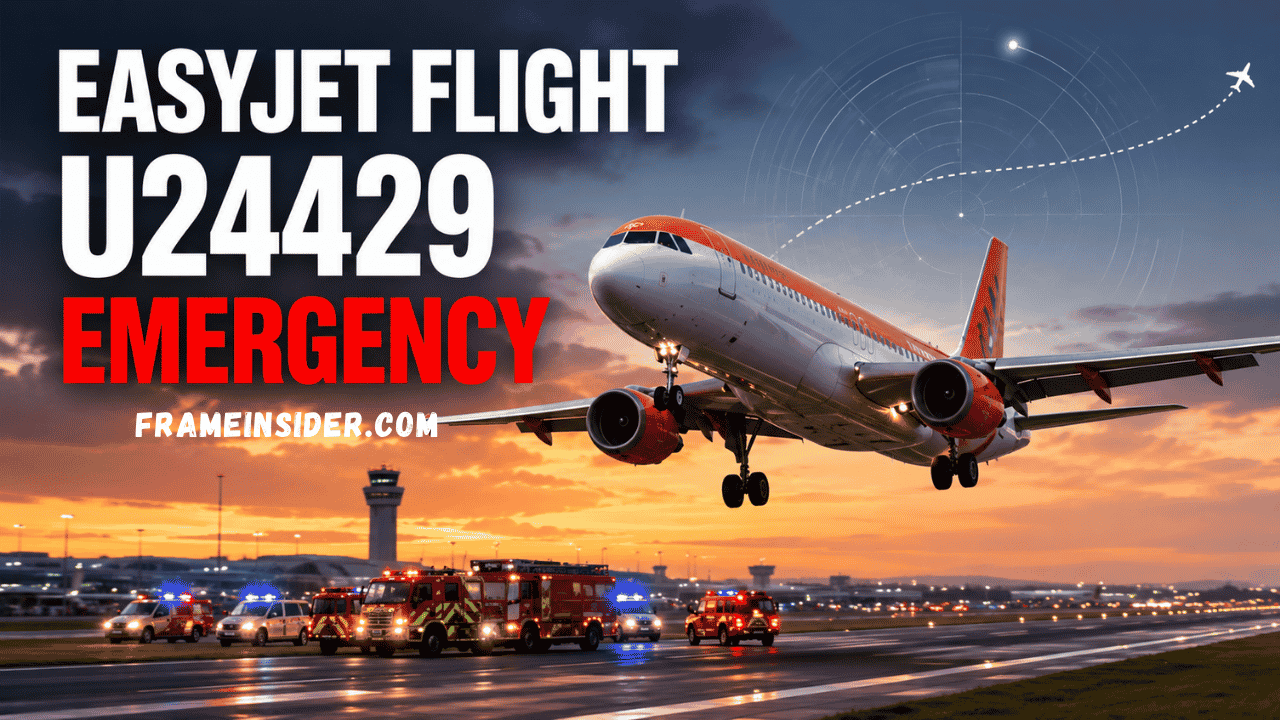
The easyjet flight u24429 emergency attracted significant attention after the aircraft was forced to return to Lyon shortly after departure. The flight, which was scheduled to travel from Lyon, France, to Porto, Portugal, experienced an unexpected onboard incident that led the crew to declare an emergency and divert back to its departure airport. While emergency declarations often raise concerns among travelers, the situation was handled according to established aviation safety procedures. The event demonstrated how airlines, flight crews, and airport authorities respond when passenger safety becomes a priority.
Commercial aviation relies on strict safety measures designed to address unexpected situations in the air. The easyjet flight u24429 emergency became a real-world example of these procedures in action. Reports indicated that the incident was linked to disruptive passenger behavior rather than a technical issue with the aircraft. As details emerged, the focus shifted toward understanding why the aircraft returned to Lyon and how aviation security systems worked to ensure a safe outcome.
Overview of the EasyJet Flight U24429 Emergency
The easyjet flight u24429 emergency occurred on 22 August 2025 during a routine flight operated by easyJet. The aircraft involved was an Airbus A320, a commonly used narrow-body jet serving short and medium-haul routes across Europe. Shortly after takeoff from Lyon-Saint Exupéry Airport, the flight crew declared an emergency and initiated a return to Lyon. The decision was made after an onboard security-related situation developed during the climb phase of the flight.
Emergency returns are not common, but they are part of standard aviation operations when a situation requires immediate attention. In this case, pilots followed established protocols and coordinated closely with air traffic controllers. The aircraft remained under control throughout the flight and landed safely without any injuries to passengers or crew. Emergency services were prepared on the ground to provide support once the aircraft arrived.
Flight Details and Planned Route
The flight was scheduled to connect two important European cities. Lyon serves as a major transportation hub in France, while Porto is one of Portugal’s busiest destinations for tourism and business travel. The route is regularly operated and typically completed without incident.
Key details of the flight included:
- Flight Number: U24429
- Airline: easyJet
- Departure Airport: Lyon-Saint Exupéry Airport
- Destination Airport: Porto Airport
- Aircraft Type: Airbus A320-214
- Aircraft Registration: OE-IJL
- Date of Incident: 22 August 2025
The easyjet flight u24429 emergency interrupted what would normally have been a routine journey. Instead of continuing toward Portugal, the aircraft returned to France after the crew assessed the evolving situation on board.
What Triggered the Emergency Declaration?
Initial reports suggested that the easyjet flight u24429 emergency was not caused by mechanical failure or adverse weather conditions. Instead, attention focused on the behavior of a passenger who reportedly experienced a severe psychological episode during the flight. The situation escalated quickly enough to raise security concerns among crew members and passengers.
Witness accounts indicated that the individual attempted to move toward the cockpit area. Modern aircraft have reinforced cockpit doors and strict access procedures, making unauthorized entry extremely difficult. Even so, any action perceived as a potential threat to flight security is treated with utmost seriousness. As a result, the crew acted immediately to maintain control of the situation.
Passenger Behavior and Security Concerns
Passenger disruptions can range from minor disturbances to events requiring emergency intervention. In the case of the easyjet flight u24429 emergency, the reported behavior created concerns that extended beyond normal passenger management. Cabin crew members were required to respond quickly while ensuring the safety of everyone on board.
Several factors contributed to the seriousness of the situation:
- The passenger allegedly attempted to approach the cockpit area.
- Cabin crew had to intervene immediately.
- Other passengers reportedly assisted in restraining the individual.
- Flight security procedures were activated.
- The captain chose to return to Lyon as a precautionary measure.
These actions helped prevent the situation from escalating further. The coordinated response demonstrated the importance of training and preparedness among airline personnel.
The Meaning of Squawk 7700
One of the most discussed aspects of the easyjet flight u24429 emergency was the aircraft’s use of Squawk 7700. This is a special emergency transponder code used by pilots when they require priority handling from air traffic control. It alerts aviation authorities that the aircraft is experiencing a situation requiring immediate attention.
When Squawk 7700 is activated, controllers can quickly identify the aircraft and provide assistance. The code does not specify the exact nature of the emergency. Instead, it signals that the crew needs support and may require special routing, priority landing clearance, or emergency services upon arrival.
The declaration of Squawk 7700 during the easyjet flight u24429 emergency ensured that the aircraft received priority treatment while returning to Lyon. This allowed the crew to focus on managing the onboard situation while maintaining safe flight operations.
Timeline of Events During the Flight
Understanding the sequence of events helps explain why the decision to return was made. Although exact times may vary slightly between reports, the overall timeline remained consistent across multiple accounts.
Departure and Initial Climb
The aircraft departed Lyon during the early evening and began climbing toward its planned cruising altitude. Weather conditions were not reported as a contributing factor, and the flight initially proceeded normally. Shortly after departure, the passenger-related incident began to develop.
As cabin crew assessed the situation, concerns increased regarding the passenger’s behavior. Communication between cabin crew and the cockpit became essential as the event unfolded. The captain received updates and evaluated available options.
Emergency Declaration and Return to Lyon
Once the severity of the situation became clear, the flight crew declared an emergency. The easyjet flight u24429 emergency prompted an immediate decision to discontinue the route to Porto and return to Lyon. Air traffic controllers coordinated the aircraft’s return while emergency services prepared on the ground.
The aircraft safely landed approximately 45 minutes after departure. Passengers remained secure throughout the process, and the landing occurred without incident. Authorities then boarded the aircraft to address the situation directly.
Response from Authorities After Landing
Following the safe return of the aircraft, local authorities and medical personnel met the flight. The passenger involved in the disturbance was removed from the aircraft for evaluation and treatment. Reports indicated that the individual was experiencing a psychological crisis and required medical attention.
The response highlighted the cooperation between multiple organizations. Airport security teams, police officers, healthcare professionals, and airline personnel worked together to manage the situation effectively. Such coordination is an important part of aviation emergency planning.
The easyjet flight u24429 emergency concluded without injuries or damage, reflecting the effectiveness of established safety procedures. The incident demonstrated how aviation systems are designed to respond quickly when unexpected events occur.
How Flight Crews Are Trained for Incidents Like This
Airline crews receive extensive training to prepare for security-related events. While technical emergencies often receive public attention, airlines also invest heavily in preparing staff for passenger disturbances and medical situations. Cabin crew members learn de-escalation techniques, restraint procedures, and communication strategies.
Pilots are trained to assess risk and determine whether continuing a flight remains safe. During the easyjet flight u24429 emergency, the decision to return to Lyon reflected a precautionary approach. Aviation professionals are taught that safety takes precedence over operational convenience.
Training programs typically include:
- Managing disruptive passengers
- Handling security threats
- Coordinating with air traffic control
- Emergency communication procedures
- Passenger protection measures
These skills help crews respond effectively when unusual situations arise.
What the Incident Reveals About Aviation Safety
The easyjet flight u24429 emergency serves as a reminder that aviation safety extends beyond aircraft mechanics and weather monitoring. Passenger behavior can also influence operational decisions. Airlines must be prepared for a wide range of scenarios, including medical emergencies, security concerns, and behavioral incidents.
Modern aviation incorporates multiple layers of protection. Reinforced cockpit doors, crew training, communication systems, and emergency procedures all contribute to maintaining safety. Even when a flight experiences an unexpected disruption, these safeguards help reduce risk and support informed decision-making.
Passengers may view emergency diversions as alarming, but they often reflect proactive safety management. Returning to an airport allows authorities to address issues directly rather than allowing a situation to continue during a longer flight.
Conclusion
The easyjet flight u24429 emergency became a notable aviation incident because it involved a security-related passenger disturbance that required immediate action. After departing Lyon for Porto, the crew declared an emergency and safely returned to the departure airport following reports of concerning passenger behavior. The aircraft landed without injuries, and authorities quickly responded to the situation upon arrival.
The easyjet flight u24429 emergency also highlighted the effectiveness of modern aviation safety systems. From crew training and cockpit security measures to emergency communication procedures and airport response teams, every layer worked together to achieve a safe outcome. While the incident disrupted travel plans, it ultimately demonstrated how the aviation industry prioritizes passenger safety above all else.
FAQs
What caused the easyjet flight u24429 emergency?
The easyjet flight u24429 emergency was reportedly triggered by a passenger experiencing a severe psychological episode that raised security concerns during the flight.
Where was easyJet Flight U24429 traveling?
The flight was scheduled to travel from Lyon, France, to Porto, Portugal before it returned to Lyon.
What does Squawk 7700 mean?
Squawk 7700 is an emergency transponder code used by pilots to alert air traffic control that the aircraft requires immediate assistance or priority handling.
Did the aircraft land safely?
Yes, the aircraft involved in the easyjet flight u24429 emergency landed safely in Lyon without injuries to passengers or crew members.
Was the emergency caused by a technical failure?
Available reports indicate that the easyjet flight u24429 emergency was linked to a passenger-related security concern rather than a mechanical problem with the aircraft.