









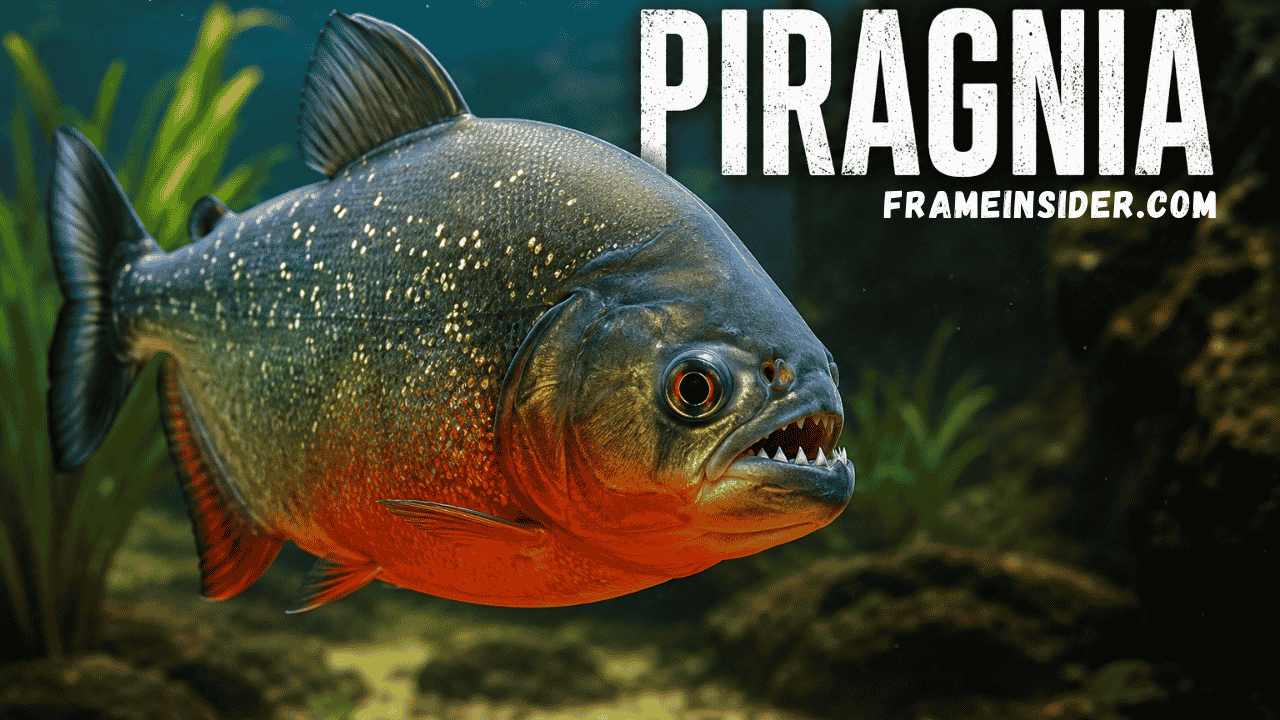
When people search for piragnia, they are usually looking for information about the well-known freshwater fish that has gained worldwide attention because of its sharp teeth and fearsome reputation. Popular movies and stories have often portrayed this fish as an aggressive predator capable of attacking anything that enters the water. While these stories have made piragnia famous, the reality is much more interesting and balanced. Understanding the true nature of this fish helps separate facts from myths and provides a clearer picture of its role in nature.
Piragnia is native to South America and is commonly found in rivers, lakes, and flooded forest regions. These fish have adapted to a wide range of freshwater environments and play an important role in maintaining ecological balance. Although they are known for their powerful jaws, many species consume much more than just meat. Learning about piragnia reveals a fascinating animal that is often misunderstood by the public.
What Is Piragnia and Where Is It Found?
Piragnia refers to a group of freshwater fish that belong to the Serrasalmidae family. These fish are mostly found throughout the Amazon Basin, the Orinoco River system, and several other freshwater habitats across South America. Their distribution covers countries such as Brazil, Venezuela, Colombia, Peru, Bolivia, and Paraguay. The warm waters and rich ecosystems of these regions provide ideal conditions for their survival.
The natural habitat of piragnia includes slow-moving rivers, lakes, flooded forests, and streams. During seasonal flooding, these fish often move into flooded areas where food becomes more abundant. Their ability to adapt to changing water levels has helped them thrive for thousands of years. This flexibility makes them one of the most successful freshwater fish groups in South America.
Physical Characteristics That Make Piragnia Unique
One of the most recognizable features of piragnia is its sharp, triangular teeth. Unlike many fish species, the teeth fit together tightly, creating an effective cutting surface. These teeth are supported by strong jaw muscles that allow the fish to bite with considerable force. This combination of strength and precision has contributed significantly to its reputation.
Most piragnia species grow between 8 and 12 inches in length, although some individuals can become larger depending on their environment and species. Their bodies are usually compressed from side to side, which helps them move efficiently through the water. Coloration varies among species, with some displaying silver bodies while others have distinctive red or orange markings. The famous red-bellied variety is among the most recognizable members of the group.
The Real Diet of Piragnia
Many people assume that piragnia survives entirely on meat, but that belief is inaccurate. In reality, their diet is surprisingly diverse and changes depending on the species and available food sources. Some species consume fish and aquatic animals, while others rely heavily on plant material. This varied diet helps them adapt to changing environmental conditions.
Common food sources include:
- Small fish
- Insects
- Crustaceans
- Fruits
- Seeds
- Aquatic plants
The ability to consume both animal and plant matter makes piragnia an opportunistic feeder. During certain seasons, fruits and seeds may become a major part of their diet. This feeding behavior also contributes to seed dispersal in some aquatic ecosystems. As a result, these fish play a more complex ecological role than many people realize.
Why Piragnia Has Such Sharp Teeth
The teeth of piragnia are among the most efficient cutting tools found in freshwater fish. Their triangular shape allows them to slice through food quickly and effectively. Unlike the pointed teeth of some predators, these teeth are designed more for cutting than piercing. This adaptation helps the fish process a wide variety of food sources.
The jaw structure works together with the teeth to maximize feeding efficiency. Strong muscles generate significant force when the fish bites down on prey or tough plant material. Scientists believe this dental design evolved over millions of years as the fish adapted to diverse feeding opportunities. The result is a highly specialized feeding system that supports survival in competitive aquatic environments.
Common Myths and Misconceptions About Piragnia
Much of the fear surrounding piragnia comes from movies, television programs, and exaggerated stories. These portrayals often suggest that large groups of fish will instantly attack humans. In reality, such scenarios are extremely rare and do not accurately reflect natural behavior. Most encounters between humans and these fish end without incident.
Several common myths continue to circulate today:
- Piragnia attacks humans regularly.
- All species are aggressive predators.
- They only eat meat.
- They hunt in large groups to attack large animals.
- Entering their habitat is always dangerous.
Scientific observations show that most species spend much of their time avoiding larger predators. Many schools form primarily for protection rather than coordinated hunting. Understanding these facts helps replace sensational stories with accurate information.
Understanding Piragnia Behavior in the Wild
The behavior of piragnia varies depending on species, environmental conditions, and food availability. Some species are relatively calm and spend much of their time searching for food among vegetation. Others become more active during periods when resources are limited. Seasonal changes can strongly influence movement and feeding habits.
Schooling behavior is one of the most interesting aspects of these fish. Large groups often travel together through rivers and lakes. This strategy reduces the risk of individual fish being targeted by predators. While schools may appear intimidating, they frequently serve a defensive purpose rather than an aggressive one.
The Role of Piragnia in the Amazon Ecosystem
Piragnia contributes significantly to the health and stability of South American freshwater ecosystems. As both predator and scavenger, it helps regulate populations of smaller aquatic animals. This role prevents certain species from becoming overly abundant and disrupting ecological balance. Healthy predator-prey relationships are essential for maintaining biodiversity.
These fish also participate in nutrient recycling. By consuming dead organisms and organic material, they help return nutrients to the ecosystem. Some species assist with seed dispersal when they consume fruits and later release the seeds elsewhere. This activity supports plant growth in flooded forest environments and strengthens ecosystem resilience.
Are Piragnia Attacks on Humans Common?
Stories about piragnia attacks have captured public attention for decades, but documented incidents remain relatively uncommon. Most reported cases involve minor bites rather than serious injuries. These incidents often occur during periods of drought when food becomes scarce and fish populations are concentrated in smaller bodies of water. Environmental conditions usually play a significant role in such encounters.
Human activity can also increase the likelihood of bites. Fishing, handling fish directly, or entering waters where food is being introduced may attract attention. Even in these situations, attacks are generally not as severe as popular culture suggests. The overall risk to humans remains much lower than many people assume.
Can Piragnia Be Kept as a Pet?
Some aquarium enthusiasts choose to keep piragnia in large home aquariums. However, caring for these fish requires substantial preparation and responsibility. They need spacious tanks, stable water conditions, and appropriate diets to remain healthy. Their size and behavior make them unsuitable for many beginner fish keepers.
Before considering ownership, several factors should be evaluated:
- Tank size requirements
- Water quality management
- Feeding needs
- Local regulations
- Long-term care commitments
In some regions, ownership restrictions exist because of concerns about accidental release into local waterways. Prospective owners should always verify local laws before acquiring these fish. Responsible care is essential for both animal welfare and environmental protection.
Fascinating Facts About Piragnia
Piragnia possesses several surprising characteristics that many people do not know. Some species produce sounds using specialized muscles and body structures. These sounds may help with communication or territorial behavior. Such abilities add another layer of complexity to their behavior.
Additional interesting facts include:
- Not all species are carnivorous.
- Some rely heavily on fruits and seeds.
- They have highly efficient cutting teeth.
- Schools often provide protection from predators.
- They occupy multiple ecological roles in freshwater habitats.
These facts demonstrate that piragnia is much more than the fearsome predator often depicted in popular media. Their adaptability and ecological importance make them fascinating subjects for scientific study.
Conclusion
Piragnia remains one of the most misunderstood freshwater fish in the world. While its sharp teeth and powerful jaws have earned it a fearsome reputation, scientific research paints a far more balanced picture. These fish are adaptable, diverse, and essential components of South American freshwater ecosystems. Their diets vary widely, their behavior is often defensive rather than aggressive, and their ecological contributions support healthy aquatic environments.
Understanding piragnia requires looking beyond myths and focusing on facts. From their role in nutrient recycling to their unique feeding adaptations, these fish represent an important part of nature’s complexity. By learning about piragnia through accurate information, readers can appreciate the true significance of this remarkable freshwater species.
FAQs
1. What is piragnia?
Piragnia is a freshwater fish group native to South America, known for sharp teeth, strong jaws, and its presence in major river systems such as the Amazon Basin.
2. Is piragnia dangerous to humans?
Most piragnia species are not considered a major threat to humans. While bites can occur, serious attacks are relatively rare.
3. What does piragnia eat?
Piragnia consumes fish, insects, crustaceans, fruits, seeds, and plant material depending on the species and available food sources.
4. Where can piragnia be found?
Piragnia is primarily found in rivers, lakes, streams, and flooded forests throughout South America, especially within the Amazon and Orinoco river systems.
5. Can piragnia be kept in an aquarium?
Yes, some species can be kept in large aquariums, but they require proper care, sufficient space, stable water conditions, and compliance with local regulations.