









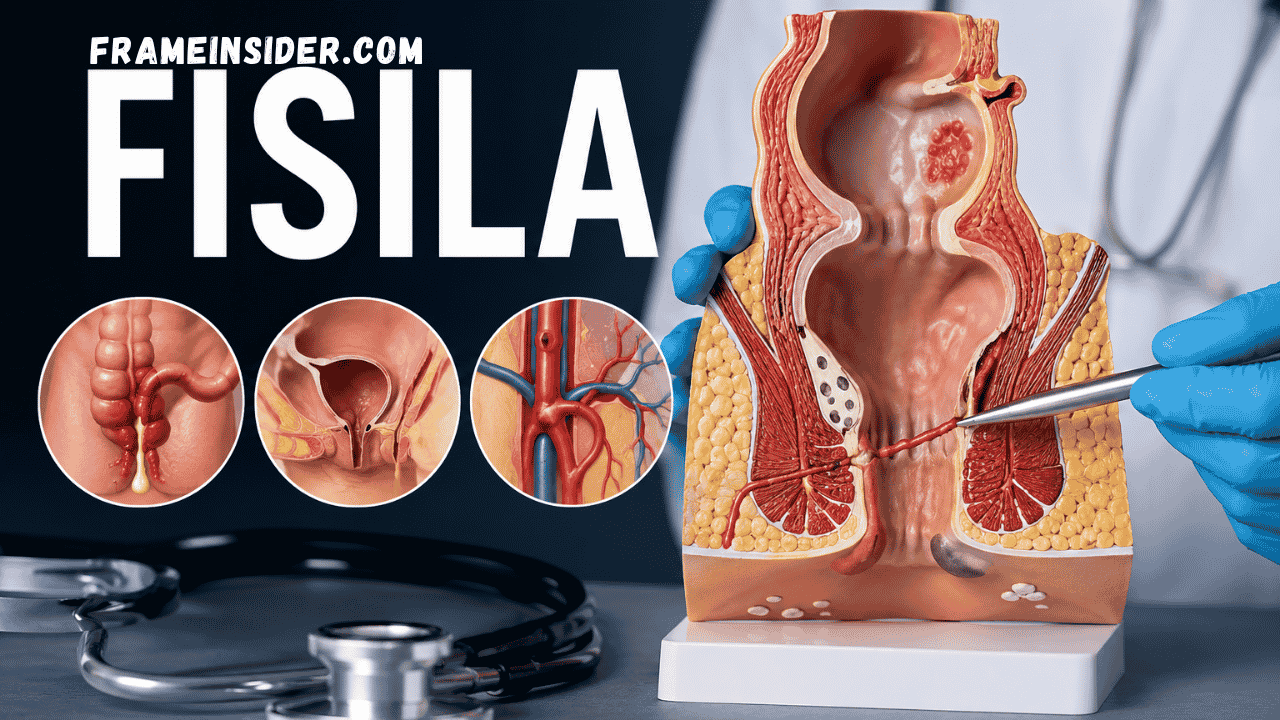
The term fisila is often used online when people are searching for information related to fistula, a medical condition that affects thousands of individuals worldwide. While the spelling may vary, fisila is commonly associated with abnormal connections that develop between organs, tissues, or blood vessels within the body. These connections can lead to discomfort, infections, and complications if left untreated. Understanding fisila is important for anyone seeking information about its causes, symptoms, diagnosis, and available treatment methods. Learning about the condition can help individuals recognize warning signs and seek medical care at the right time.
What Is Fisila?
Fisila refers to a condition in which an abnormal passage develops between two parts of the body that are not normally connected. These passages may form between organs, blood vessels, or the skin and an internal organ. The condition can occur in different parts of the body and may vary in severity depending on its location and underlying cause. In many cases, fisila develops due to infection, inflammation, injury, or complications from surgery. Early detection can help reduce the risk of serious health problems and improve treatment outcomes.
A fisila may develop gradually over time or appear after a specific medical event. Some people experience mild symptoms initially, while others may notice significant discomfort from the beginning. The condition often affects normal bodily functions and can interfere with daily activities. Because different types of fisila exist, symptoms and treatment approaches may differ from one patient to another. Proper diagnosis is essential for determining the most effective course of action.
How Fisila Develops in the Body
The development of fisila usually begins when tissue damage creates an opening between structures that should remain separate. This damage may result from infection, chronic inflammation, injury, or surgical complications. As the affected tissue heals improperly, a tunnel-like passage can form and persist over time. The body may struggle to close this abnormal connection naturally, especially when ongoing inflammation is present. This is why many cases require medical treatment or surgical intervention.
Certain medical conditions increase the likelihood of developing fisila. Digestive disorders, infections, and trauma can weaken tissues and create favorable conditions for abnormal connections to form. In some situations, repeated infections cause persistent inflammation that gradually damages surrounding structures. When this damage extends deep into tissues, fisila may emerge as a long-term complication. Understanding these factors can help individuals reduce potential risks.
Common Causes of Fisila
Several factors can contribute to the development of fisila. The exact cause often depends on the location and type of the condition. Identifying the underlying cause helps healthcare providers choose the most appropriate treatment plan. In many cases, treating the root cause is just as important as repairing the abnormal connection itself.
Some common causes include:
- Bacterial infections
- Chronic inflammatory diseases
- Surgical complications
- Physical injuries or trauma
- Radiation therapy side effects
- Digestive disorders such as Crohn’s disease
- Untreated abscesses
- Complications during childbirth
Each of these factors can damage tissues and create pathways that eventually develop into fisila. Prompt treatment of infections and inflammatory conditions may lower the risk of complications.
Different Types of Fisila
Fisila can occur in multiple parts of the body, leading to different classifications based on location. Each type presents unique symptoms and treatment considerations. Understanding these variations helps patients and healthcare providers identify the condition more effectively.
Anal Fisila
Anal fisila is one of the most common forms of the condition. It develops near the anus and often occurs after an abscess has drained or healed improperly. Individuals may experience pain, swelling, irritation, and discharge. Symptoms can worsen during bowel movements and may become chronic if untreated. Surgical treatment is frequently required to resolve the condition completely.
Rectovaginal Fisila
This type occurs when an abnormal connection develops between the rectum and vagina. It can result from childbirth complications, surgery, or inflammatory diseases. Women with this condition may experience discomfort and unusual symptoms that affect daily life. Early medical evaluation is important to prevent complications. Treatment often involves surgical repair and management of underlying causes.
Vesicovaginal Fisila
Vesicovaginal fisila forms between the bladder and vagina. This condition may lead to urinary leakage and significant emotional distress. It is often associated with childbirth injuries, pelvic surgery, or radiation treatment. Prompt diagnosis can improve recovery outcomes and quality of life. Specialized surgical procedures are commonly used to correct the problem.
Arteriovenous Fisila
Arteriovenous fisila involves an abnormal connection between an artery and a vein. This type affects blood circulation and can occur naturally or as a result of injury. In some medical situations, healthcare providers intentionally create an arteriovenous fisila for dialysis treatment. When unintended, it may require monitoring or corrective procedures. Proper evaluation helps determine the best treatment approach.
Symptoms That May Indicate Fisila
Symptoms of fisila vary depending on its location and severity. Some individuals experience mild discomfort, while others face significant health challenges. Recognizing symptoms early can lead to faster diagnosis and treatment. Ignoring warning signs may allow the condition to worsen over time.
Common symptoms may include:
- Persistent pain
- Swelling around affected areas
- Drainage of pus or fluid
- Recurrent infections
- Skin irritation
- Fever and fatigue
- Unusual discharge
- Difficulty with bowel or urinary functions
Not every patient experiences the same symptoms. The specific signs often depend on where the fisila has developed within the body.
How Doctors Diagnose Fisila
Diagnosing fisila requires a combination of medical history, physical examination, and diagnostic testing. Healthcare providers typically begin by reviewing symptoms and discussing any previous infections, surgeries, or medical conditions. A thorough examination helps identify visible signs and determine the location of the abnormal connection. Additional testing may be necessary to confirm the diagnosis and assess the extent of tissue involvement.
Common diagnostic methods include imaging studies and specialized examinations. Techniques such as MRI scans, CT scans, ultrasound imaging, and endoscopic procedures can provide detailed information about the affected area. These tests help doctors understand the complexity of the fisila and develop an effective treatment plan. Accurate diagnosis plays a critical role in achieving successful outcomes. Early evaluation can also prevent complications from becoming more severe.
Treatment Options for Fisila
Treatment for fisila depends on the type, location, and severity of the condition. Some cases respond well to medication, while others require surgical intervention. The primary goal is to close the abnormal connection and address any underlying causes contributing to its development. Individual treatment plans are tailored to each patient’s specific circumstances.
Common treatment approaches include:
- Antibiotic therapy for infections
- Drainage of abscesses
- Anti-inflammatory medications
- Fistulotomy procedures
- Seton placement techniques
- Reconstructive surgery
- Ongoing monitoring and follow-up care
Successful treatment often requires a combination of methods rather than a single solution. Regular medical follow-up helps ensure proper healing and reduces the likelihood of recurrence.
Recovery and Long-Term Management
Recovery from fisila varies depending on the complexity of the condition and the treatment performed. Some patients recover within a few weeks, while others require longer healing periods. Following medical advice is essential for achieving the best possible outcome. Proper wound care and follow-up appointments play an important role during recovery.
Lifestyle adjustments may also support healing and prevent future complications. Maintaining good hygiene, managing chronic medical conditions, and following dietary recommendations can improve recovery. Patients should report any unusual symptoms to their healthcare provider promptly. Early intervention can prevent minor concerns from developing into larger problems. Consistent care contributes to long-term health and well-being.
Can Fisila Be Prevented?
While not all cases of fisila can be prevented, certain measures may reduce the risk. Preventing infections and seeking prompt treatment for medical conditions are important steps. Individuals with inflammatory diseases should follow treatment plans carefully to minimize tissue damage. Good healthcare practices can significantly lower the chances of complications.
Helpful prevention strategies include:
- Treating infections early
- Managing chronic inflammatory conditions
- Maintaining proper hygiene
- Attending regular medical checkups
- Following post-surgical care instructions
- Seeking treatment for abscesses promptly
Although prevention is not always possible, these measures may reduce risk and improve overall health outcomes.
Conclusion
Fisila is a condition that involves an abnormal connection between different parts of the body and can lead to discomfort, infections, and functional problems if left untreated. The condition may develop due to infection, inflammation, injury, surgery, or chronic diseases that affect tissue health. Understanding the causes, symptoms, types, and treatment options associated with fisila allows individuals to recognize warning signs and seek timely medical care. Advances in diagnosis and treatment have improved outcomes for many patients, making recovery more achievable than ever before. Early detection, proper medical evaluation, and consistent follow-up remain the most effective ways to manage fisila and maintain long-term health.
FAQs
1. What is fisila?
Fisila refers to an abnormal connection between organs, tissues, or blood vessels that are not normally connected within the body.
2. What causes fisila to develop?
Fisila can develop due to infections, inflammatory diseases, surgical complications, injuries, radiation therapy, or untreated abscesses.
3. What are the common symptoms of fisila?
Common symptoms include pain, swelling, fluid drainage, recurrent infections, fever, and difficulties related to bowel or urinary functions.
4. Can fisila heal without surgery?
Some minor cases may improve with medication and treatment of underlying conditions, but many forms of fisila require surgical intervention.
5. How is fisila diagnosed?
Doctors diagnose fisila through physical examinations, medical history reviews, imaging tests, and specialized procedures that help identify the abnormal connection.