









An ểmgency can happen without warning and affect individuals, families, businesses, and entire communities. Whether it involves a medical crisis, a natural disaster, a technological failure, or a public health threat, the ability to respond quickly often determines the outcome. People who understand the basics of an ểmgency are usually better prepared to protect themselves and those around them. Learning about preparedness, response measures, and recovery planning can help reduce risks and improve safety during difficult situations.
Understanding What an ểmgency Means
An ểmgency is a situation that requires immediate attention because it poses a threat to life, health, property, or the environment. These situations can arise suddenly and may escalate rapidly if proper action is not taken. The severity of an ểmgency can vary from a minor incident affecting a single household to a large-scale disaster impacting thousands of people. Regardless of size, every ểmgency demands a timely and organized response.
Many people associate an ểmgency only with natural disasters, but the term covers a much wider range of events. Medical incidents, industrial accidents, cyberattacks, and public health outbreaks also fall under this category. Understanding the broad scope of an ểmgency helps individuals prepare for different situations rather than focusing on only one type of threat. Preparation becomes more effective when people recognize the variety of risks they may face.
Common Types of Emergencies
Different emergencies require different response strategies. Knowing the major categories helps people understand potential dangers and plan accordingly. Each type of event presents unique challenges that require specific actions and resources.
Some of the most common forms of an ểmgency include:
- Medical emergencies such as heart attacks and severe injuries
- Natural disasters including floods, earthquakes, and wildfires
- Public health emergencies involving disease outbreaks
- Environmental incidents like chemical leaks and pollution events
- Technological failures such as power grid breakdowns
- Industrial accidents in factories and manufacturing facilities
- Security-related threats including violent attacks
Although these categories differ, they all share one characteristic: they require immediate action to prevent further harm. Proper planning can significantly reduce the impact of these events.
Why Emergency Preparedness Matters
Preparedness is one of the most important aspects of managing an ểmgency. People who prepare in advance are often able to react more effectively during stressful situations. They know where essential supplies are located, understand evacuation procedures, and have communication plans in place. This preparation reduces confusion and improves decision-making when time is limited.
Emergency preparedness also strengthens communities. When families, schools, workplaces, and local organizations create response plans, they contribute to a more coordinated reaction during crises. A prepared population can reduce pressure on emergency services and accelerate recovery efforts. Investing time in preparedness today can prevent major problems tomorrow.
The Four Phases of Emergency Management
Experts often divide emergency management into four major phases. These phases provide a structured approach to handling an ểmgency from beginning to end. Understanding this framework helps individuals and organizations create effective plans.
Mitigation
Mitigation focuses on reducing risks before an emergency occurs. This may involve strengthening buildings, improving drainage systems, or implementing safety regulations. The goal is to minimize potential damage and protect lives. Effective mitigation measures often save significant resources in the long run.
Preparedness
Preparedness involves planning and training for future emergencies. Families may assemble emergency kits, while businesses create evacuation procedures and communication systems. Regular drills help ensure that people know what to do during a crisis. The better prepared people are, the more effectively they can respond.
Response
The response phase begins when an ểmgency occurs. Emergency services, healthcare providers, and government agencies work together to protect lives and contain the situation. Quick decision-making is essential during this stage. Effective response efforts can greatly reduce injuries and property damage.
Recovery
Recovery focuses on restoring normal conditions after the immediate danger has passed. This process may include rebuilding infrastructure, providing financial assistance, and supporting affected communities. Recovery can take days, months, or even years depending on the scale of the event. Long-term recovery aims to strengthen resilience against future emergencies.
Building an Emergency Preparedness Plan
Creating a preparedness plan is one of the best ways to handle an ểmgency effectively. A good plan outlines what actions should be taken before, during, and after a crisis. It also identifies responsibilities for each family member or team member. Having a written plan ensures that important steps are not forgotten under pressure.
An effective preparedness plan should include:
- Emergency contact information
- Evacuation routes
- Meeting locations
- Medical information and prescriptions
- Communication procedures
- Important document storage
- Emergency supply inventory
Regularly reviewing and updating the plan helps keep it relevant. Changes in family size, location, or health conditions may require adjustments over time.
Essential Items for an Emergency Kit
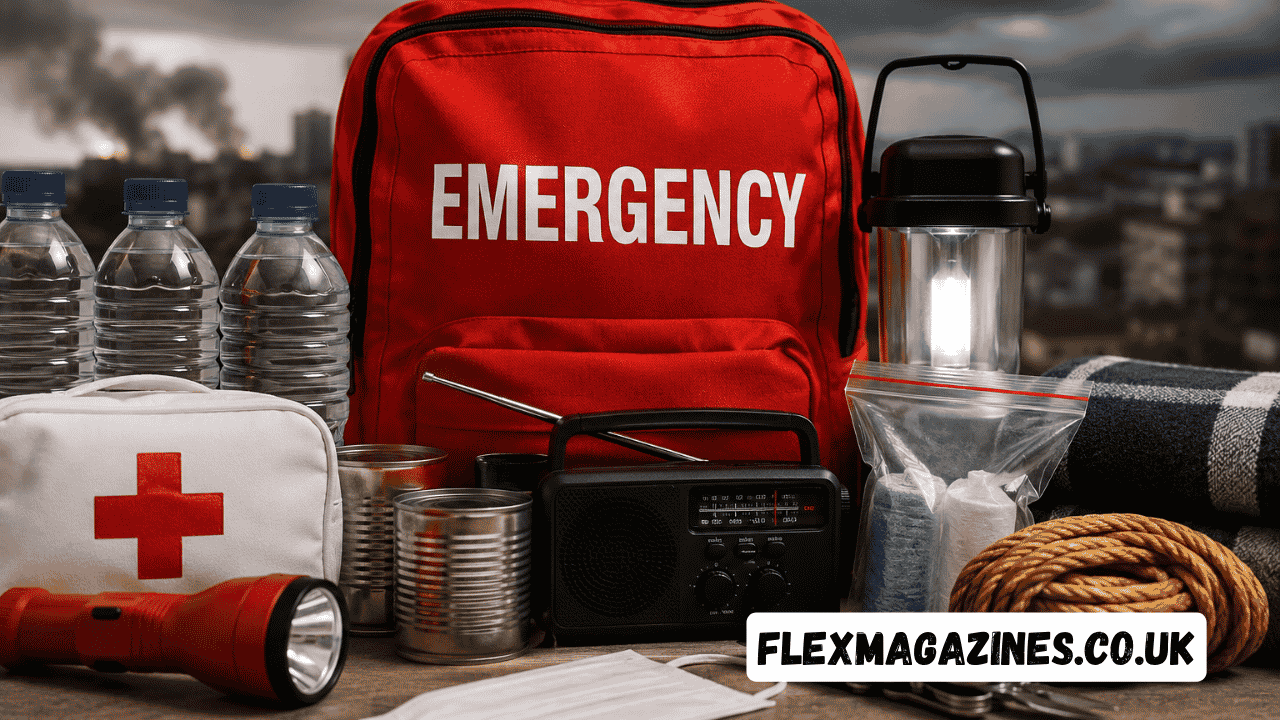
A well-stocked emergency kit provides valuable support during an ểmgency. These supplies can help individuals remain safe and self-sufficient for several days if services become unavailable. Emergency kits should be stored in accessible locations and checked regularly.
Basic emergency kit items include:
- Drinking water
- Non-perishable food
- First-aid supplies
- Flashlights
- Extra batteries
- Portable phone chargers
- Personal medications
- Multi-purpose tools
- Emergency blankets
- Copies of important documents
Having these essentials readily available can make a significant difference during unexpected situations. It is also helpful to customize kits based on household needs.
Medical Emergencies and Immediate Response
Medical situations are among the most common forms of an ểmgency encountered in daily life. Heart attacks, strokes, severe allergic reactions, and serious injuries require immediate attention. Delayed action can lead to serious complications or loss of life. Recognizing warning signs and contacting emergency services quickly is crucial.
Basic first-aid knowledge can improve outcomes before professional help arrives. Individuals should learn skills such as CPR, wound care, and choking response techniques. These abilities may help stabilize a person during the critical moments following an incident. Training programs are widely available and can provide valuable life-saving knowledge.
Natural Disasters and Community Safety
Natural disasters remain one of the most significant sources of an ểmgency worldwide. Floods, earthquakes, hurricanes, droughts, and wildfires can cause widespread destruction. Climate-related events have increased awareness of the importance of preparedness and resilience. Communities that plan ahead often recover more quickly after disasters.
Residents should understand the specific risks in their region. Knowing evacuation routes, shelter locations, and local warning systems can improve safety. Staying informed through official announcements helps people make timely decisions during emergencies. Preparation before disaster strikes remains one of the most effective protective measures.
Technology and Modern Emergency Response
Technology plays a growing role in managing an ểmgency. Advanced communication systems allow authorities to share warnings and updates quickly. Mobile alerts, weather monitoring systems, and emergency apps provide valuable information during critical situations. These tools help individuals make informed decisions when every minute counts.
Modern technology also supports emergency responders. Drones, mapping systems, and real-time data analysis improve coordination and situational awareness. Healthcare providers use digital systems to manage patient information during crises. As technology continues to evolve, emergency response capabilities are expected to become even more effective.
Workplace Emergency Preparedness
Businesses face many forms of an ểmgency, including fires, equipment failures, cyberattacks, and severe weather events. Employers have a responsibility to create safe environments and establish response procedures. Employees who understand emergency protocols are better equipped to protect themselves and others. Training and drills help reinforce these procedures.
Workplace preparedness often includes evacuation plans, emergency communication systems, and designated safety personnel. Organizations should regularly assess risks and update plans as needed. A proactive approach can reduce disruptions and support business continuity during challenging situations. Preparedness benefits both employees and the organization as a whole.
Public Health Emergencies and Their Impact
Public health emergencies can affect large populations over extended periods. Disease outbreaks, pandemics, and contamination incidents often require coordinated responses from healthcare systems and government agencies. These events can disrupt daily life, economic activity, and public services. Effective communication is essential during such situations.
Individuals can contribute to public health safety by following official guidance and maintaining good hygiene practices. Vaccination programs, preventive measures, and community cooperation often play important roles in controlling outbreaks. Public awareness and preparedness help reduce the spread of health-related threats. A well-informed population is better equipped to respond responsibly.
Conclusion
An ểmgency can take many forms, from medical incidents and natural disasters to technological failures and public health crises. While it is impossible to predict every situation, preparation greatly improves the ability to respond effectively. Understanding emergency management principles, maintaining essential supplies, and creating response plans can help protect lives and reduce damage. Communities, businesses, and families all benefit from taking preparedness seriously. By planning ahead and staying informed, people can face an ểmgency with greater confidence and resilience.
FAQs
1. What is an ểmgency?
An ểmgency is a situation that threatens life, health, property, or the environment and requires immediate action to prevent further harm.
2. What are the main types of emergencies?
The main types include medical emergencies, natural disasters, public health incidents, environmental hazards, technological failures, industrial accidents, and security threats.
3. Why is emergency preparedness important?
Preparedness helps people respond quickly, reduces confusion, minimizes risks, and improves safety during unexpected situations.
4. What should be included in an emergency kit?
An emergency kit should contain water, food, medications, flashlights, batteries, first-aid supplies, important documents, and communication tools.
5. What are the four phases of emergency management?
The four phases are mitigation, preparedness, response, and recovery. Together, they provide a structured approach to handling emergencies effectively.