







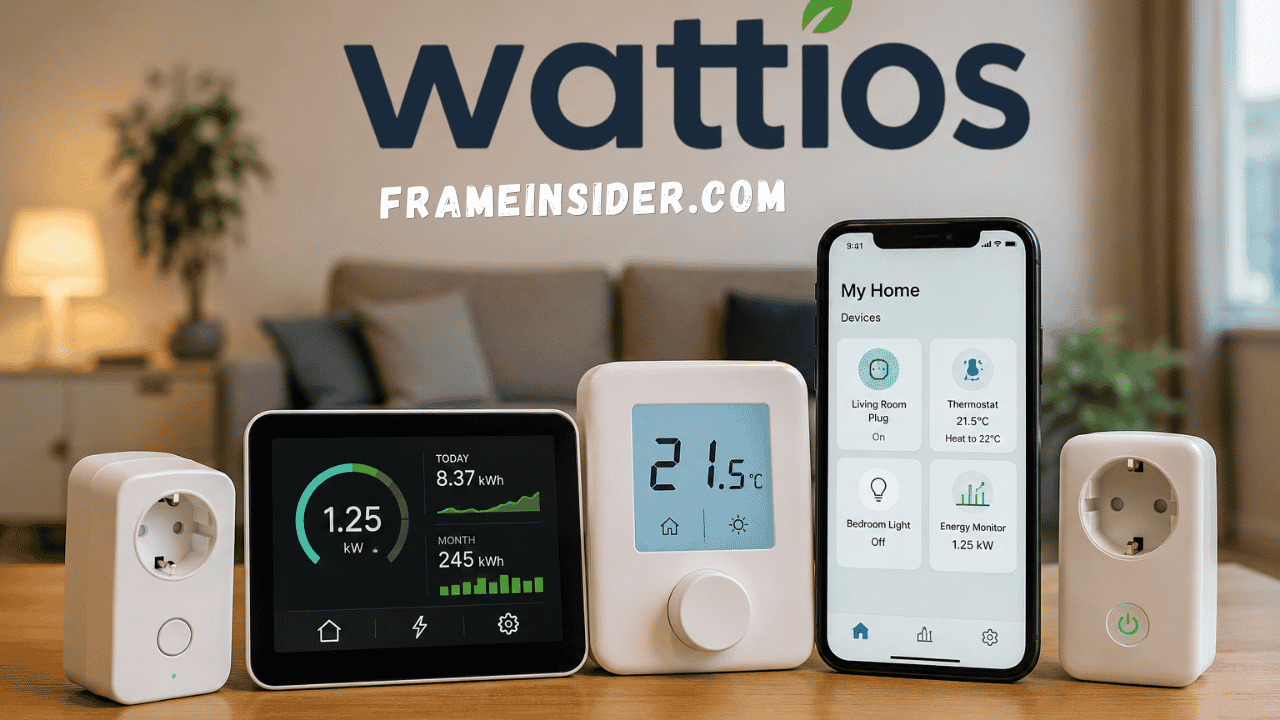
As energy costs continue to rise and homeowners look for smarter ways to manage their daily consumption, technologies designed to improve efficiency have gained significant attention. Among the names that emerged in the smart home sector, wattios became known for its focus on energy monitoring, automation, and intelligent home management. Rather than concentrating solely on convenience, the concept behind wattios centered on helping users understand and reduce their electricity usage through connected devices and real-time data.
The development of smart homes has changed how people interact with their living spaces. Connected devices can now communicate with one another, automate daily tasks, and provide valuable insights into household energy consumption. Within this evolving landscape, wattios positioned itself as a solution that combined smart technology with practical energy-saving benefits. Its approach attracted attention from consumers interested in reducing utility costs while maintaining comfort and convenience.
The Origins of wattios and Its Vision
The story of wattios began with the goal of making homes more energy efficient through the use of connected technology. At a time when smart home solutions were still developing, the company recognized that many households lacked clear visibility into how they consumed electricity. This gap created an opportunity to develop tools that could provide real-time information and help users make better decisions about energy usage.
The vision behind wattios extended beyond simply connecting devices. The company aimed to create an ecosystem where homeowners could monitor, control, and optimize different aspects of their household energy consumption from a single platform. By combining hardware and software solutions, wattios sought to deliver a practical approach to energy management that could be understood and used by everyday consumers.
How wattios Fit into the Smart Home Revolution
The smart home industry has grown rapidly over the past decade, driven by advancements in wireless communication, cloud computing, and mobile applications. Consumers increasingly expect their homes to offer convenience, security, and efficiency through interconnected devices. In this environment, wattios emerged as an early participant focused specifically on energy management.
Unlike many smart home products that emphasized entertainment or luxury features, wattios concentrated on helping users identify energy waste and reduce unnecessary consumption. This practical focus allowed the platform to appeal to homeowners who wanted measurable benefits from their smart home investments. As awareness of sustainability increased, solutions such as wattios became even more relevant in discussions about modern home technology.
The SmartHome 360º Ecosystem
One of the most notable aspects of wattios was its SmartHome 360º ecosystem. This integrated platform brought together multiple devices and services under a unified management system. Users could access information and control connected devices through smartphones, tablets, or computers, creating a seamless experience across different platforms.
The SmartHome 360º ecosystem was designed to simplify household management while improving energy awareness. Rather than requiring separate applications for each device, users could monitor and manage their entire system through a central interface. This streamlined approach made wattios easier to use and helped homeowners gain a clearer understanding of their energy habits.
Key objectives of the ecosystem included:
- Monitoring electricity consumption in real time
- Automating household devices
- Managing heating and temperature settings
- Sending alerts and notifications
- Providing detailed energy insights
Energy Monitoring as a Core Feature
Energy monitoring represented one of the most valuable components of wattios. Many households receive monthly utility bills without fully understanding which appliances contribute most to their energy usage. This lack of information often makes it difficult to identify opportunities for savings.
Through energy monitoring tools, wattios enabled users to track consumption patterns throughout the day. By analyzing real-time data, homeowners could recognize inefficient habits and adjust their behavior accordingly. This level of visibility encouraged more informed decision-making and supported long-term efforts to reduce electricity costs.
Another advantage of continuous monitoring was the ability to detect unusual energy spikes. If a device began consuming more power than expected, users could investigate the issue before it significantly affected their monthly expenses. This proactive approach added practical value to the wattios platform.
Smart Plug Technology and Appliance Control
The smart plug was one of the most practical devices associated with wattios. This technology allowed users to connect household appliances and control them remotely through a digital interface. The ability to manage devices from anywhere provided both convenience and energy-saving opportunities.
With smart plugs, users could schedule appliances to operate only when needed. For example, devices could automatically switch off during periods of inactivity, reducing standby power consumption. Over time, these small adjustments could contribute to noticeable reductions in electricity usage.
The smart plug offered several useful functions:
- Remote on and off control
- Scheduling and automation
- Energy consumption tracking
- Notification and alert systems
- Improved management of connected appliances
These capabilities demonstrated how wattios combined convenience with practical energy management solutions.
Intelligent Heating Management
Heating systems account for a significant portion of household energy consumption in many regions. Recognizing this challenge, wattios introduced smart thermostat technology designed to improve temperature control and heating efficiency. The goal was to help homeowners maintain comfort while avoiding unnecessary energy waste.
The thermostat enabled users to adjust heating settings remotely and create customized schedules based on their daily routines. Instead of heating an empty home throughout the day, users could program the system to operate only when needed. This targeted approach reduced energy consumption without sacrificing comfort.
By integrating heating management into the broader ecosystem, wattios created a more comprehensive solution for household efficiency. Users could monitor temperature settings alongside other energy-related data, making it easier to identify additional opportunities for optimization.
The Role of Data in Better Energy Decisions
One of the strengths of wattios was its ability to transform raw energy data into actionable information. Many consumers struggle to interpret electricity usage patterns without meaningful context. Simply knowing how much energy is consumed does not always reveal where improvements can be made.
The platform addressed this challenge by presenting data in a user-friendly format. Visual reports and consumption summaries helped users understand how different devices affected overall energy usage. These insights made it easier to identify trends, compare performance over time, and evaluate the effectiveness of energy-saving efforts.
Data-driven decision-making became a central component of the wattios experience. Rather than relying on assumptions, homeowners could base their actions on measurable information collected directly from their connected devices.
Investment and Market Growth
As interest in smart home technology expanded, investors recognized the potential of companies focused on energy efficiency. Wattios attracted financial support that enabled the company to expand its operations and pursue broader market opportunities. This investment reflected growing confidence in the future of connected home solutions.
The company entered a competitive market that included established technology brands and emerging startups. Despite these challenges, wattios gained attention by emphasizing practical energy savings rather than purely lifestyle-oriented features. This positioning helped distinguish the brand within an increasingly crowded industry.
The growth of the smart home market also contributed to the visibility of wattios. Consumers became more familiar with connected devices, making it easier for energy-focused solutions to gain acceptance and demonstrate their value.
How wattios Contributed to the Internet of Things
The Internet of Things, often referred to as IoT, describes a network of connected devices capable of sharing information and performing automated actions. Wattios served as an example of how IoT technology could be applied to everyday household challenges. By connecting sensors, smart plugs, thermostats, and monitoring tools, the platform created an integrated environment focused on efficiency.
The contribution of wattios to IoT can be seen in several areas:
- Real-time data collection
- Automated device control
- Remote access through mobile applications
- Improved energy transparency
- Enhanced household management
These capabilities demonstrated the practical benefits of IoT technology beyond simple convenience. They showed how connected systems could help users save money and reduce energy waste.
The Lasting Impact of wattios on Smart Home Innovation
Although the smart home market has evolved significantly over the years, the ideas promoted by wattios remain relevant. Modern energy management systems continue to rely on principles such as real-time monitoring, automation, and data-driven decision-making. These concepts have become standard features in many contemporary smart home platforms.
The influence of wattios can be seen in the growing emphasis on sustainability and efficient resource management. As consumers become more conscious of energy costs and environmental concerns, technologies that provide visibility and control over household consumption continue to gain importance.
The company helped demonstrate that smart homes could offer practical financial benefits alongside convenience and comfort. This lesson remains valuable for both technology developers and consumers evaluating new smart home solutions.
Conclusion
The development of wattios highlighted the growing connection between smart technology and energy efficiency. By combining monitoring tools, automation features, smart plugs, thermostats, and data analysis, the platform offered homeowners a comprehensive approach to managing electricity consumption. Its focus on practical energy savings helped distinguish it from many other smart home solutions available at the time.
As smart home technology continues to advance, the concepts introduced by wattios remain highly relevant. Real-time monitoring, intelligent automation, and connected device management are now widely recognized as essential components of modern energy-efficient homes. The legacy of wattios serves as a reminder that technology can play a meaningful role in helping households reduce costs, improve efficiency, and make more informed decisions about energy usage.
FAQs
1. What is wattios?
wattios is a smart home technology platform that focused on energy monitoring, automation, and household efficiency through connected devices and data-driven management tools.
2. How did wattios help reduce electricity consumption?
wattios provided real-time energy monitoring, appliance control, and automation features that allowed users to identify waste and optimize their energy usage.
3. What devices were included in the wattios ecosystem?
The ecosystem included smart plugs, energy monitoring tools, thermostats, and a centralized platform for managing connected devices.
4. Why was wattios important in the smart home industry?
wattios demonstrated how smart home technology could be used not only for convenience but also for reducing energy costs and improving efficiency.
5. How is wattios connected to IoT technology?
wattios used Internet of Things technology to connect devices, collect real-time data, automate actions, and provide remote access for homeowners.